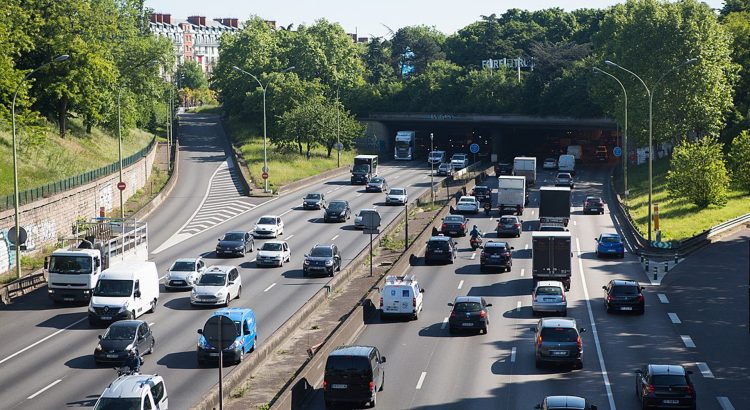
In a world where sports betting has become commonplace, a new crypto platform proposes to wager on an unexpected phenomenon: road traffic. Rush Hour, as it is called, transforms the flow of vehicles into a real-time spectacle where every passing car becomes an opportunity for profit. But behind this playful concept lies a deeper reflection on how we perceive and interact with our urban environment.
A new playground: urban circulation
The phenomenon of betting on road traffic fits into a broader trend where the digital and the real world intertwine. With Rush Hour, users can bet on the number of vehicles that will pass in front of a surveillance camera in under a minute. This concept, available on crypto casino platforms like Roobet, presents a novel challenge: predicting how many cars will cross a defined area in 55 seconds. It is not just a game, but a direct interaction with urban reality, which intrigues and questions.
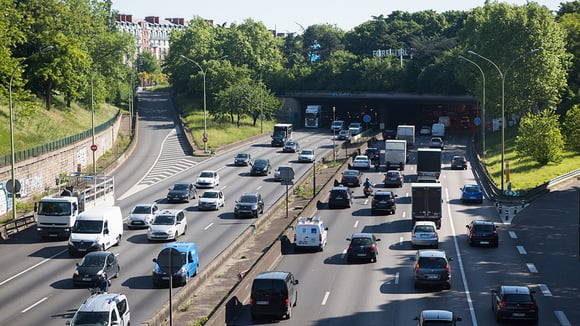
A crypto platform allows live betting on the number of cars filmed by urban cameras. When traffic becomes a spectacle. © Ville de Paris
How it works: between technology and chance
The bets are based on video feeds from public cameras or authorised providers. An artificial intelligence analyses these images in real-time, counting cars, trucks, buses, scooters, bicycles, and pedestrians. At the end of the countdown, the recorded number determines the outcome. Players can bet on an exact number, a range, or a threshold of “over” or “under”, with a maximum payout announced of up to 18 times the stake. This model offers a return-to-player rate between 91.50% and 93.50%, comparable to online quick games, but what makes it unique is that the outcome is not dictated by a hidden algorithm, but by the chaos of traffic itself.
An innovative view of urban traffic
Rush Hour is not just a simple betting game. It illustrates an evolution in how we think about automotive traffic. Cities are already analysing this data to regulate flows and optimise infrastructure. By transforming traffic into a financial wager, the game paves the way for a new form of interaction with our environment. Every traffic light turning green, every bus slowing down becomes a financial event, making users’ daily lives both playful and uncertain.
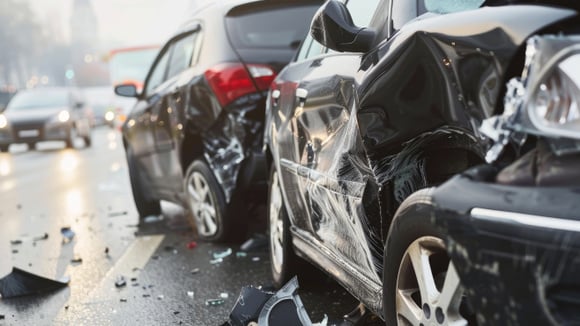
Will we soon bet on queue sizes? Or on the number of accidents at a specific intersection? © Yayimages
Ethical and practical issues
In the face of this new form of betting, ethical questions arise. Is it appropriate to monetise road traffic? The consequences on the perception of urban transport could be profound. If betting on the number of cars is already a challenge, why not go further and bet on queues? In Paris, for example, a Monday morning on the ring road could offer a fascinating spectacle: how many minutes before the queue does not advance by ten metres? These bets could encourage a culture of road chaos, where uncertainty becomes a source of profit.
Towards a new era of urban betting
This concept could evolve into other forms of betting related to circulation. Imagine being able to bet on the number of accidents at an intersection or the duration of queues in certain areas. In cities like Lyon or Paris, where congestion has become a daily reality, these bets could reflect a true immersive experience of traffic. Motorists might even find themselves predicting queues not only to avoid inconvenience but also to maximise their earnings.
In summary
- Rush Hour transforms urban traffic into betting opportunities.
- Bets are based on video feeds analysed by artificial intelligence.
- This model raises ethical questions about monetising everyday life.
- Future bets could include elements like queue duration.
- A new form of interaction between users and the urban environment emerges.
In the near future, this trend could redefine our relationship with circulation and urban infrastructure. Rush Hour could be just the beginning of an era where the chaos of the real world becomes the playground for a new generation of bettors. For now, it remains to be seen how this dynamic will influence our perception of traffic and our daily experience.