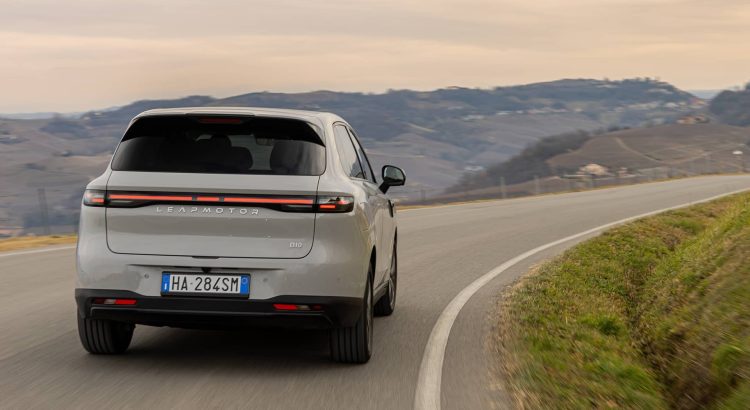
As the European automotive market begins 2026 with a 3.6% drop in registrations, Chinese brands are reporting triple-digit growth, thus redefining competitive dynamics. This strategic shift raises crucial questions about the future of historical players in light of this new offensive.
A Declining Market: Reasons for the Drop
In January 2026, the European automotive market recorded a significant 3.6% decline compared to the previous year, according to preliminary data from Dataforce. This setback is even more concerning as it affects major brands. Dacia, for instance, saw its registrations plummet by 35%, accounting for nearly half of the total decline. This situation can be attributed to logistical and production difficulties, exacerbated by rising costs of hybrid powertrains. Consequently, the Sandero, typically well-positioned in the rankings, lost around 9,000 registrations. Brands like Hyundai, Kia, and Volkswagen were also not spared, reporting declines of 20%, 19%, and 11%, respectively.
Chinese Brands: Spectacular Growth
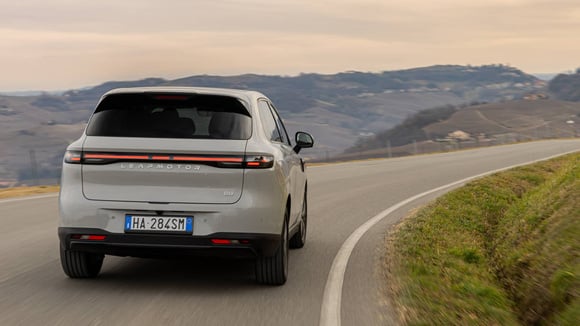
In stark contrast to this gloomy landscape, Chinese brands continue to capture the European market with impressive vigour. For example, Leapmotor, backed by Stellantis, recorded a growth of 408%, with 4,249 registrations. Other players like Jaecoo and Omoda, both from the Chery group, reported respective increases of 365% and 197%. BYD, meanwhile, saw a 173% rise, solidifying its position among the leaders in the electric segment in Europe. This offensive is largely centred on compact SUVs and affordable electrified models. Although these volumes are still below those of the major European groups, their contrasting dynamics against the stagnation of established players testify to a significant strategic shift.
Plug-in Hybrids: A Serious Rival to Diesel
The powertrain landscape is also evolving rapidly. 100% electric vehicles grew by 14% in a year, while plug-in hybrids surged by 32%, reaching nearly 98,042 registrations. These numbers indicate that plug-in hybrids are approaching diesel volumes, which totalled 105,949 units in January. This shift is reinforced by the decline of diesel, which fell by 18%, while petrol saw a 12% drop. Meanwhile, non-plug-in hybrids progressed slightly by 4.4%. These trends suggest a profound transformation of the market, where traditional powertrains are losing ground in favour of more sustainable solutions.
European Brands That Are Holding Their Ground
Despite this Asian offensive, some European brands are managing to stand out. Fiat, for instance, recorded a 24% increase, thanks to the Grande Panda based on Stellantis’ Smart Car platform. Similarly, Opel and Citroën posted gains of 13% each, while Skoda and Renault progressed by 9.7% and 5.2%, respectively. These results indicate that there are still opportunities for European players to reinvent themselves and adapt to a rapidly changing market.
An Uncertain Future for Historical Players
In light of this new dynamic, European manufacturers need to double their efforts to meet consumer expectations. The pressure is mounting as the European Union imposes increasingly stringent CO2 emission standards. In 2025, many groups joined emission ‘pools’ to mutualise their results, but no similar arrangement is planned for 2026. This could exacerbate the challenges faced by some players, making a strategic shift towards greener powertrains and a diversified offering imperative.
In Summary
- The European automotive market fell by 3.6% in January 2026.
- Dacia and other major brands are suffering significant declines.
- Chinese brands are reporting triple-digit growth.
- Plug-in hybrids are beginning to rival diesel.
- European brands like Fiat and Renault show signs of resilience.
Conclusion: The Chinese offensive in the European market is a strong signal for historical manufacturers, who need to reinvent themselves to face the competition. The future looks challenging for those who do not adapt to new consumer expectations regarding sustainability and technological innovation. In the coming years, it will be crucial for established players to intensify their efforts in electrification and offer competitive solutions to maintain their market position.