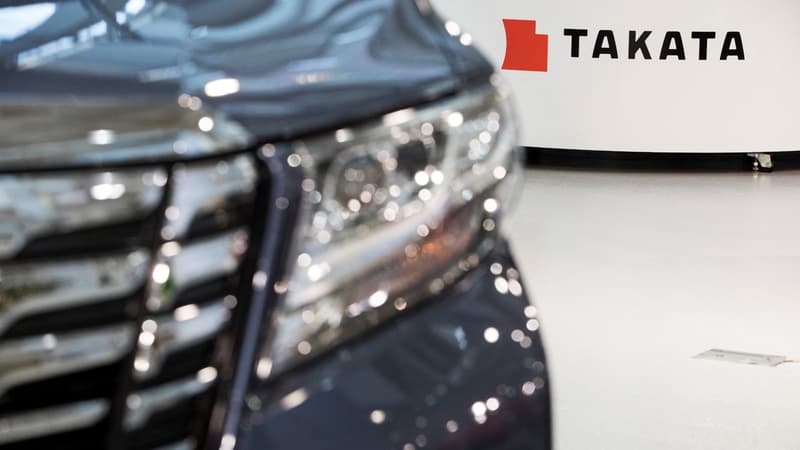
From 1st January, a wind of change is blowing over vehicle inspections in France. Vehicles equipped with Takata airbags classified as “stop drive” will need to undergo repairs before they can hit the road. No repairs, no validation: a real headache for some drivers!
An anticipated measure
In a car world where safety has become an absolute priority, this decision doesn’t really come as a surprise. Takata airbags have already been the subject of numerous controversies and recalls, reminding some of a horror movie scene where the monster always seems to come back to life. With these potentially defective devices, it’s not just alarming statistics at stake, but human lives.
The French authorities, aware of the danger posed by these airbags, now impose a systematic check during the vehicle inspection. If your vehicle is equipped with these cursed airbags, it will need to undergo a re-inspection if repairs are not carried out. Good news for safety enthusiasts, less so for those hoping to breeze through the inspection.
What is a “stop drive” airbag?
To understand the gravity of the situation, it’s important to know what the “stop drive” classification entails. In simple terms, a Takata “stop drive” airbag is a device that can deploy inappropriately or even explode under certain circumstances. Imagine a pinless grenade going off at the wrong moment: that’s the kind of image that comes to mind when we talk about these airbags. It’s not exactly the type of accessory you want in your vehicle.
The affected models include a wide range of vehicles from several manufacturers, ranging from sedans to SUVs. If you’re driving an older model or a used car, it’s wise to check if your vehicle is on this list. Remember: it’s better to be safe than sorry, especially when it comes to such vital equipment.
The consequences for drivers
What will happen if you don’t repair your “stop drive” airbag? You might find yourself in a rather delicate situation during the vehicle inspection. Imagine anxiously waiting for the technician to tick all the boxes, when suddenly, they inform you that your vehicle cannot be validated. It’s a bit like failing your driving test due to running a red light: back to square one!
In practice, this means that owners of affected cars will have to engage in a potentially costly repair process. In some cases, this could even involve completely replacing the device. Nevertheless, it’s better to invest a few pounds now rather than risk your life on the road later.
What to do?
For those who find themselves with a Takata “stop drive” airbag, the best option is to contact their dealer or a certified professional. These experts can check the state of your system and carry out the necessary repairs. This could also be the perfect opportunity for a general check-up of your vehicle, to avoid any other nasty surprises. After all, a healthy car is like an athlete at the top of their game: it will perform better and be safer.
Don’t forget to also check the public service website for any additional information and to know the details of the affected models. It would be a shame to discover too late that your car needs urgent attention.
A call for vigilance
This new regulation regarding Takata airbags is a stark reminder that road safety must be at the heart of our concerns. It’s the perfect opportunity for every driver to assess the condition of their vehicle. Indeed, every little detail counts, like that hint of grease on a brake or a warning light flashing on the dashboard. Don’t let these elements cost you dearly!
In conclusion, if you own a car equipped with Takata “stop drive” airbags, act without delay. Make sure to visit your mechanic as soon as possible and ensure that your vehicle complies with the new standards. This way, you can continue to drive with peace of mind and avoid the administrative and mechanical hassles that could complicate your daily life.