

Aston Martin recently faced a true test of endurance during the Australian Grand Prix, raising crucial questions about the reliability of its partnership with Honda. As the British team seeks to establish itself on the Formula 1 grid, the vibrations caused by the Japanese engine highlight the technical challenges it must confront. This situation could well redefine the team’s dynamics in the months to come.
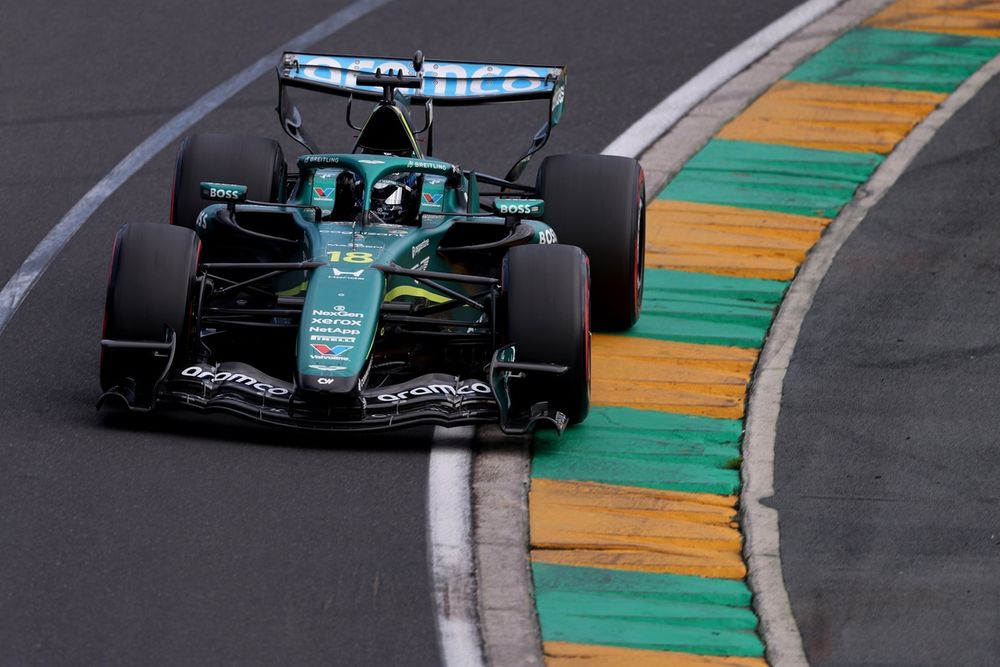
A Race Weekend Turned Test Session
The Australian Grand Prix, far from being a classic race for Aston Martin, turned out to be a full-scale test. The vibrations from the Honda engine forced the drivers to limit their performance, making it difficult to gather reliable data for the car’s development. Fernando Alonso, who did not finish the race, and Lance Stroll, who finished fifteen laps down, both encountered difficulties that underscore the current fragility of the AMR26.
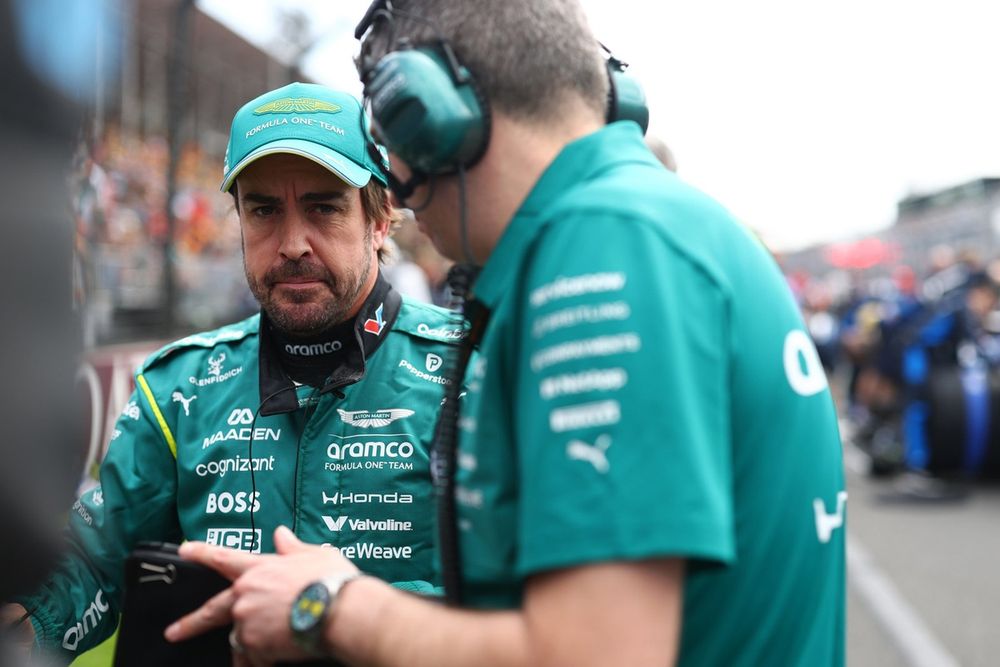
For Aston Martin, every lap is a learning opportunity. As noted by Mike Krack, the team’s sporting director, these moments may seem trivial, but they are crucial for understanding the car’s behaviour. In short, this weekend allowed the team to identify the flaws that need addressing before the upcoming races.
Honda Finds a “Countermeasure”, but at What Cost?
In this delicate context, Honda announced that it has found a “countermeasure” to limit the vibrations from its engine. Shintaro Orihara, Honda’s general manager of track operations, expressed his determination to improve the engine’s reliability. However, this promise raises several questions: what will be the concrete implications of these adjustments on the AMR26’s performance? Is Honda’s optimism well-founded, or is it a typical response to a technical crisis?
The engine’s reliability is essential for Aston Martin, which must juggle the expectations of its drivers and the demands of competition. If these countermeasures do not quickly translate into tangible results, the team risks losing ground to its rivals. Furthermore, the cost of improvements could weigh heavily on the development budget, a significant consideration in such a demanding championship.
Drivers at the Forefront of Frustration
Fernando Alonso and Lance Stroll do not hide their frustration with the current situation. The two drivers, accustomed to high-level competition, find themselves in an uncomfortable position where they struggle to provide constructive feedback to their team. Mike Krack acknowledged that this dynamic can be emotional and difficult to manage.
Indeed, drivers are often at the forefront of criticism when performance is lacking. Aston Martin’s ability to maintain its drivers’ morale will be crucial in the weeks to come. This is far from just a matter of on-track performance; it also involves delicate psychological management that could influence the team’s future development.
A Strategy to Redefine to Avoid Stagnation
Aston Martin finds itself at a strategic crossroads. The season is still young, but the initial feedback highlights the need for a revision of its strategy. Engine reliability must become an absolute priority if the team wishes to compete with outfits like Red Bull or Ferrari, which leave little room for error.
The pressure on Aston Martin may also increase with the arrival of new teams on the grid, eager to prove themselves. However, the real challenge lies in the team’s ability to turn these setbacks into opportunities. In essence, the current dynamic could either strengthen their long-term position or precipitate a deeper crisis if no solution is found quickly.
A Race Against Time
The upcoming sprint weekend in China represents a decisive test for Aston Martin and Honda. The adjustments made to the engine must translate into visible performance on track. The pressure is mounting not only for the technical team but also for the drivers, who must face growing expectations.
The lessons learned from Melbourne must be integrated swiftly. The team needs to turn this learning period into concrete results to avoid falling behind in a championship where every point counts. Aston Martin’s ability to react quickly to technical challenges will be crucial for its immediate future in Formula 1.
In Summary
- Aston Martin endured a difficult weekend at the Australian GP, turned into a test session.
- Honda announced it has found a “countermeasure” for engine vibrations, but questions remain.
- Drivers Alonso and Stroll express their frustration with reliability issues.
- Aston Martin must redefine its strategy to avoid stagnation and remain competitive.
- The upcoming sprint weekend in China will be crucial for the team’s future.
Conclusion: Aston Martin faces a critical turning point in its season. The reliability of the Honda engine is essential for its ambitions, while the pressure on the team and its drivers will only increase. The upcoming races will be decisive in determining whether the team can turn these challenges into success or if it will face a deeper crisis. For now, the road is fraught with obstacles, but adaptability will be key in this championship where every detail counts.


