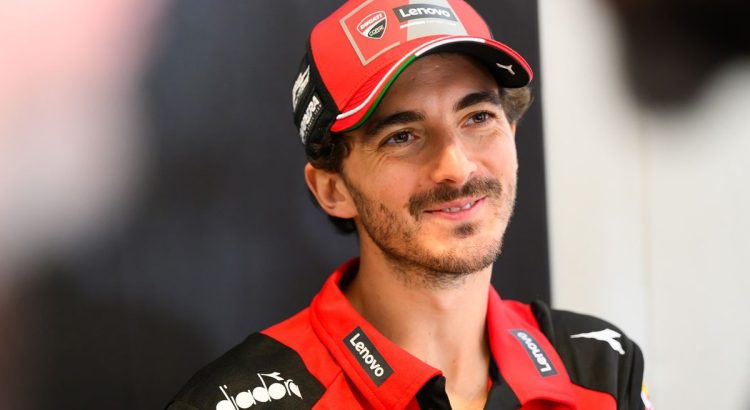
After a disappointing season, Pecco Bagnaia begins the 2023 campaign with a mix of optimism and caution. The GP26, while little different from the GP25, appears promising. But what does this really mean for Ducati and the rider?
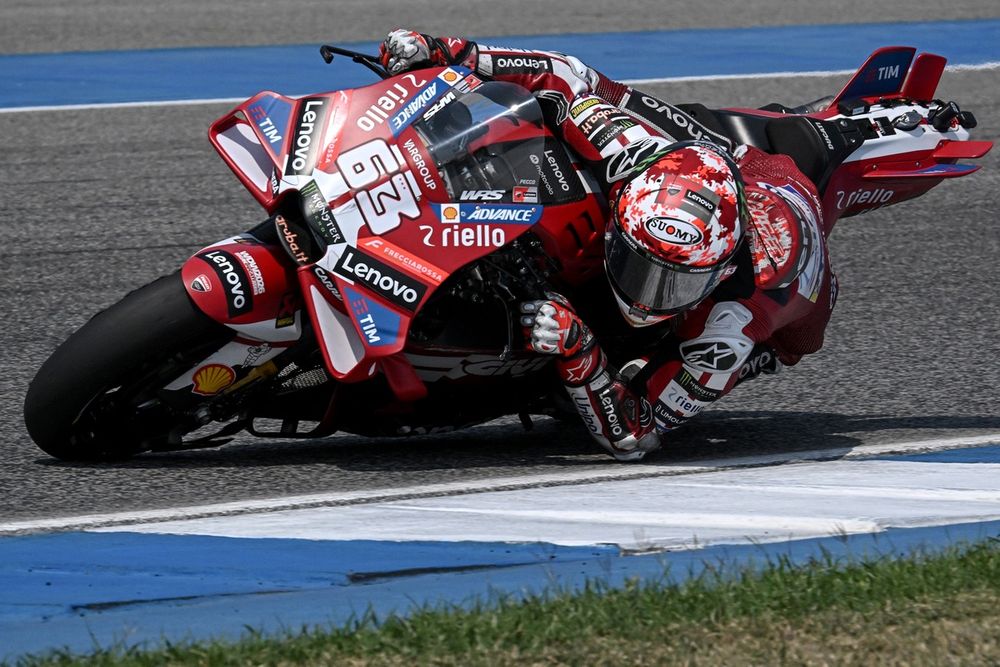
Pecco Bagnaia arrives at the first Grand Prix of the season with a smile that hasn’t faded since the tests. The recent weekend in Thailand held special significance for him, a year after the first worrying signs that hinted at a sluggish season. This time, he felt at ease, able to attack as he wished, which is a relief before diving into competition. He describes himself as “quite satisfied”, even “more so than in Malaysia, where he had already performed well”.
A reassuring GP26, but not revolutionary
Bagnaia mentions a “good step” compared to the previous year. It’s a fact: the GP26 does not present significant differences from the GP25, but the evolutions seem to be the right ones. The Ducati rider struggled last year with a lack of confidence, particularly in braking and corner entry. This time, he feels more comfortable, which is essential for a rider of his calibre.
In summary, this conservative evolution may be a strategic manoeuvre from Ducati. Rather than revolutionising everything, the manufacturer opts for targeted adjustments, aiming to bolster rider confidence while maintaining a solid base. In an environment where performances are so tight, this choice could prove wise.
Moderate expectations in the face of fierce competition
Bagnaia remains cautious. While some observers cite him as one of the favourites, he refuses to get carried away by enthusiasm. “I don’t let myself be swayed, considering last year’s results,” he states. This humility is refreshing in an arena where arrogance is often the norm. He knows that the path to the podium is fraught with obstacles, especially with rivals like Márquez and Bezzecchi on the grid.
This prudent approach is equally important for Ducati, which needs to navigate a world where performances can fluctuate from race to race. By focusing on consistency and continuous improvement, Ducati hopes not only to climb the standings but also to solidify its position as a technical leader in MotoGP.
The psychology of the rider: a key essential
For Bagnaia, the feeling on the bike counts as much as the raw result. He explains: “The most important thing is how you achieve a third, second, or first place.” This mindset could be the key to his future success. Riding at 100% of his capabilities while remaining competitive is a delicate balance to maintain.
In practice, this philosophy may also influence how Ducati approaches its future developments. If Bagnaia can combine performance and comfort on the GP26, it may encourage the team to adopt a similar approach for other models. Indeed, the connection between the rider and his machine is crucial, and Bagnaia’s feedback could shape future generations of Ducati bikes.
The financial challenges behind performance
On the economic front, every point gained or lost has considerable repercussions. Sponsors and partners expect tangible results. For Ducati, a strong start to the season could attract new investments and strengthen its market position. Conversely, another disappointing season could weigh heavily on the team’s finances.
In terms of costs, the expenses related to research and development of competition bikes are colossal. Every small adjustment can represent millions of euros. Thus, the choice to maintain a stable base with targeted improvements may also be a resource management strategy. Ducati appears to be playing on multiple fronts: performance on the track and cost rationalisation behind the scenes.
In summary
- Pecco Bagnaia begins the 2023 season with optimism and caution.
- The GP26, while little different from the GP25, seems to meet the rider’s expectations.
- The technical adjustments aim to reinforce rider confidence without disturbing the established balance.
- The competition remains fierce, and Ducati needs to prove its ability to perform consistently.
- The financial challenges are crucial, every point counts to attract sponsors and investments.
In conclusion, Pecco Bagnaia and Ducati are at a turning point. The GP26 could be the springboard for a more successful season, but this will depend on their ability to navigate prudently in a competitive environment. For MotoGP fans and industry observers, this season will be closely watched, as it could redefine not only Bagnaia’s career but also Ducati’s image on the track.