As he approaches his 500th Grand Prix, Bernd Mayländer embodies a fascinating paradox in the world of Formula 1. Official safety car driver for over 25 years, he has never scored a point or claimed a victory. Yet, his role is fundamental, balancing driver safety with the spectacle of racing. This longevity raises questions about the very nature of his contribution to the discipline.

An Unknown but Essential Role
Bernd Mayländer is not your typical driver. At 54, he is the undisputed veteran of the grid, yet his record is singularly devoid of victories. His role, while crucial, remains largely in the shadows. Indeed, the safety car has become an indispensable element of Formula 1, especially since the official implementation of this device in the 1990s. Neutralisations are now commonplace, and Mayländer has seen his role evolve with the discipline. With him, safety is not just a regulatory obligation; it is a mission that requires surgical precision.
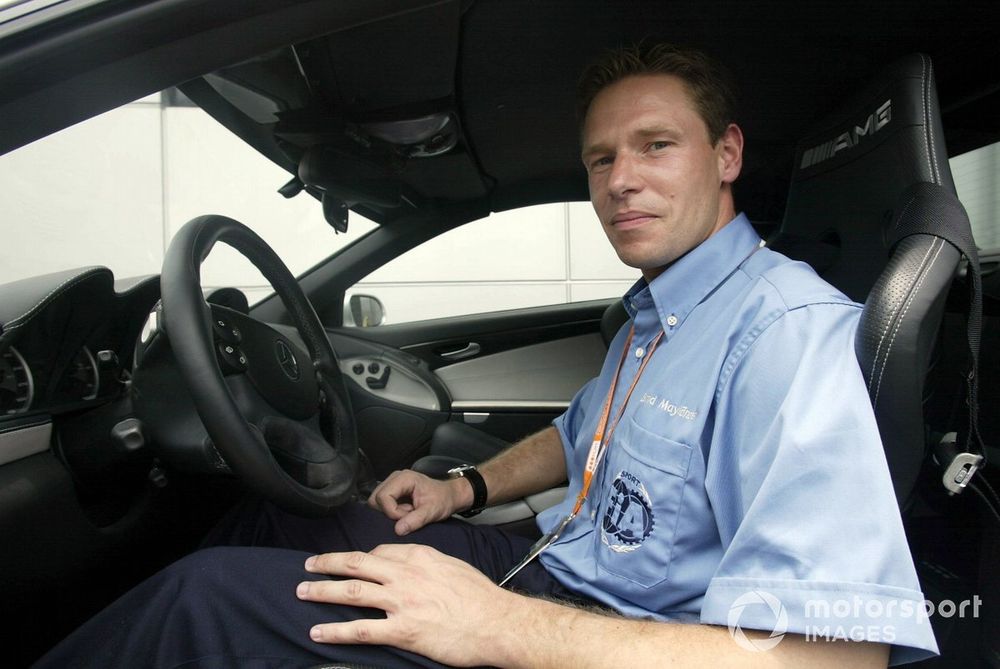
An Unconventional Path
Mayländer was not always the face of safety in F1. A former touring car driver, particularly in DTM, he was thrust into the spotlight by a twist of fate during a Grand Prix in 2000. This transition to the safety car has allowed him to experience unique moments, but also tragic situations, such as the fatal accident of Jules Bianchi in 2014. These experiences have shaped his character and commitment to driver safety.
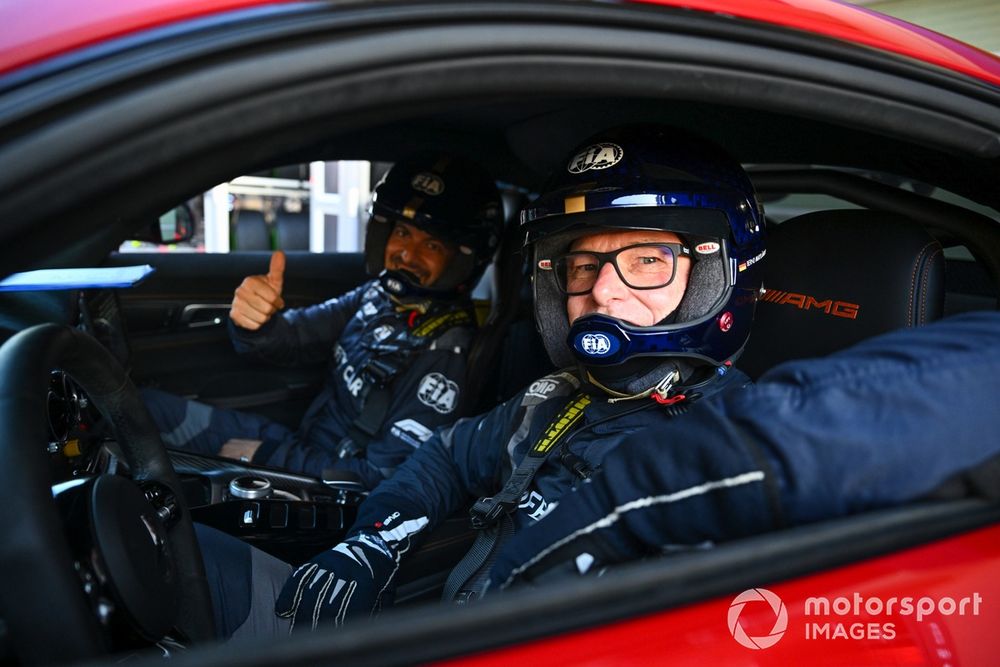
A Symbolic Anniversary: 30 Years of Mercedes
The 2026 Australian Grand Prix will mark a double anniversary: 30 years of Mercedes as the safety car supplier and Mayländer’s 500th Grand Prix. This event highlights the growing importance of safety in motorsport. The presence of a safety car has become a key element in maintaining the balance between competition and safety. It is a strategy that responds to the increasing pressure from authorities and the public for safer racing.
The Challenges of a Safety Driver
Staying physically fit is essential for Mayländer, who aims for 750 Grand Prix appearances. But beyond physical endurance, his role demands a fine understanding of racing dynamics. He must be in constant dialogue with race control, ready to react at any moment. Each intervention can change the course of a race, and Mayländer is acutely aware of this. His passion for motorsport is palpable, yet tempered by the gravity of the situations he has encountered.
An Uncertain but Promising Future
Mayländer’s career raises questions about the evolution of safety drivers’ roles in the coming years. As automotive technology advances rapidly and environmental concerns gain prominence, how will safety cars adapt? The question remains open, but one thing is certain: Mayländer has established himself as an emblematic figure, capable of evolving in a constantly changing environment.
In Summary
- Bernd Mayländer is the most experienced safety driver in F1.
- He has never won a race, but his role is crucial for safety.
- He celebrates his 500th Grand Prix in 2026, marking 30 years of partnership with Mercedes.
- His future is focused on the ambition of reaching 750 Grand Prix.
- Technology and regulation are evolving, making his role even more important.
In conclusion, Bernd Mayländer represents a often-overlooked facet of Formula 1. His journey highlights the growing importance of safety in the sport while questioning the future of safety drivers amid technological and regulatory changes. For motorsport enthusiasts, his story is a reminder that behind every race, there are dedicated men and women ensuring the safety of drivers, often at the cost of limited recognition.