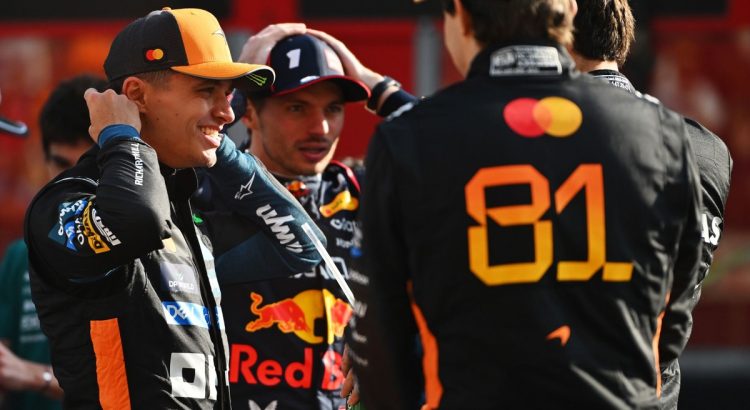
As the 2026 season approaches, Formula 1 is evolving not just on the track. Race numbers, once mere identifiers, have become symbols of identity and heritage for drivers. With choices that reveal as much personality as strategy, each number tells a story, and this new approach could redefine the dynamics within the paddock.
Numbers That Tell a Story
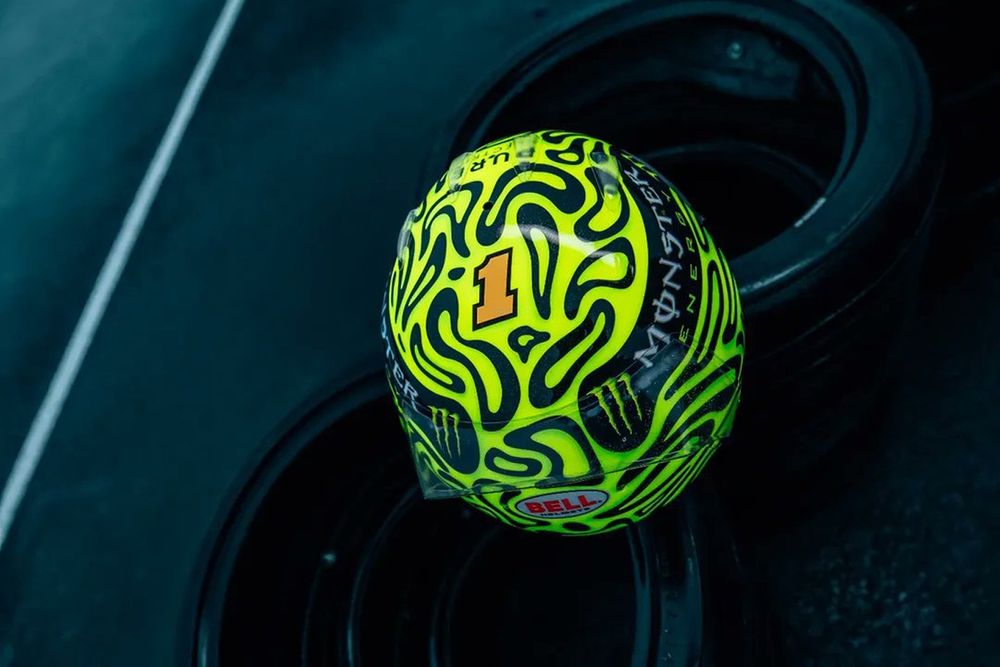
Since 2014, every F1 driver must choose a number to accompany them throughout their career. Gone are the random allocations based on constructors’ standings or organisers’ decisions. This change has allowed fans to more easily associate a number with a driver, enriching the spectator experience. In essence, these numbers have become emblems of pride and belonging. The number 1, reserved for the reigning champion, symbolises the pinnacle of competition, while other digits carry the weight of past titles or legends.
The Choice of Number: A Personal Strategy
The flexibility recently granted by the F1 Commission allows drivers to change their number mid-career, a manoeuvre that could influence their image and public perception. Take Lando Norris, who chose 1 after winning his first world title, evoking tradition and paying homage to his team. This choice is not merely aesthetic; it is a strategic statement aimed at reinforcing his status in the paddock. Conversely, Max Verstappen is dropping his number 33 for 3, a return to his roots that may redefine his identity on the grid.
Numbers Charged with Emotion
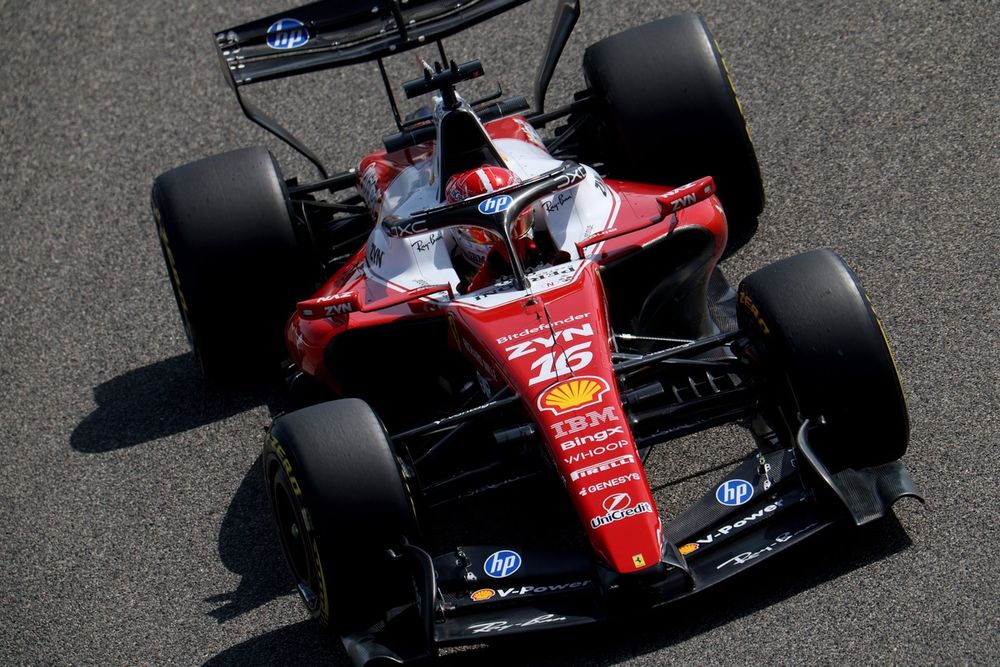
Each number chosen by drivers can also reflect significant events in their careers. For instance, Gabriel Bortoleto opts for number 5, a digit steeped in history as it was worn by Sebastian Vettel. For him, this number signifies success, having been the one with which he clinched the F3 title. Others, like Charles Leclerc with 16, express their superstition or personal attachment, proving that each choice is a thoughtful and intimate decision.
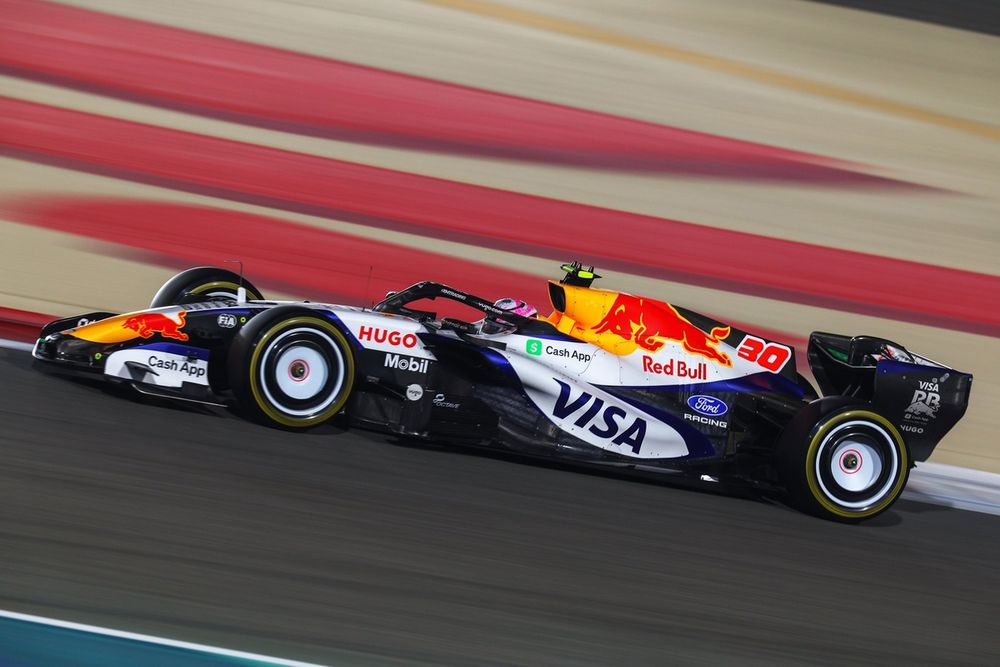
A Heritage to Preserve
The decision to retire number 17 in memory of Jules Bianchi demonstrates a profound respect for the legacy of fallen drivers. The FIA shows that it considers the emotions of fans and teams. This gesture could encourage other drivers to make symbolic choices, thereby strengthening the bonds between generations. In a discipline as competitive as F1, these emotional elements add a human dimension often overlooked.
The Impact on Competition
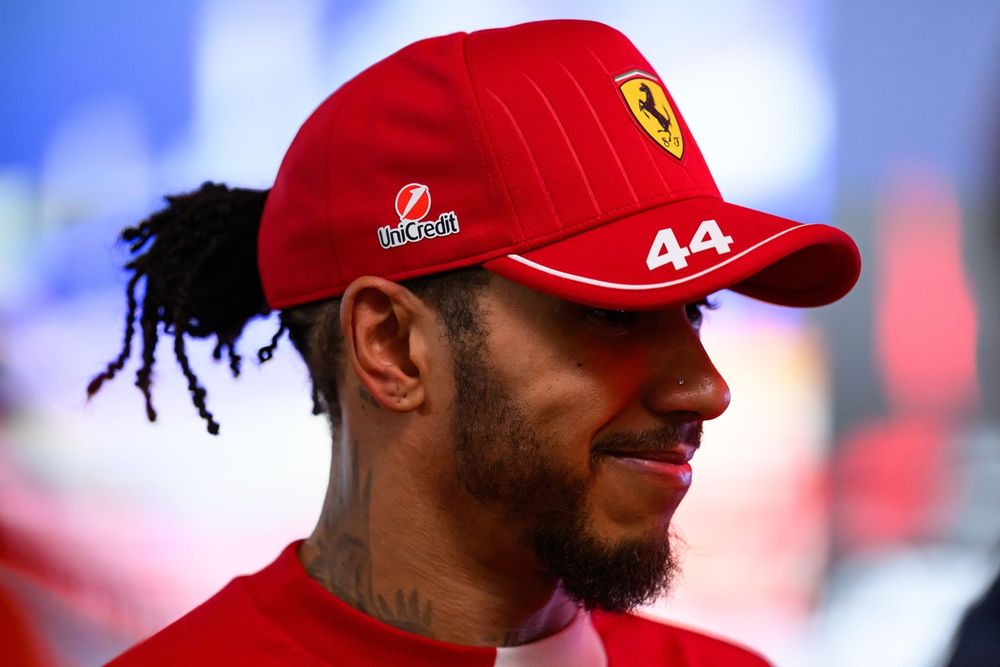
While some drivers choose iconic numbers, others opt for less conventional choices. For example, Arvid Lindblad, with 41, selects a rarely used number to stand out. This strategy could influence public and sponsor perception, as a unique number can become a marketing asset. Conversely, more traditional choices might reassure long-standing partners. Ultimately, these decisions are strategic and can have repercussions on funding and team support.

Towards a New Era of Identity in F1
With the evolution of driver numbers, F1 seems to be entering a phase where personal identity and heritage take precedence over mere performance. Drivers are no longer just competitors; they become brands in their own right. This change could significantly impact how teams approach their marketing strategy and their relationship with fans. In the future, numbers may play a crucial role in shaping the image of drivers and teams.
In Summary
- Driver numbers in F1 have become symbols of identity and heritage.
- Each number choice is a personal strategy influencing the driver’s image.
- Decisions like the retirement of number 17 show deep respect for history.
- Unique choices can offer a marketing advantage in a highly competitive sport.
- F1 is entering a new era where identity and performance are closely linked.
Useful Conclusion: These changes bring a human dimension to F1, redefining relationships between drivers, teams, and fans. For those following the sport, this evolution is worth watching closely, as it could influence not only the image of drivers but also the dynamics of teams and their positioning in the market. The alternatives are numerous, ranging from bold choices to more conservative decisions. The future will tell if this new approach will be beneficial for the entire paddock.