The automotive world is undergoing a rapid transformation. Bentley, the embodiment of luxury, has just announced a change in its electric strategy, much like if James Bond decided to swap his Aston Martin for an old scooter. While the 2035 deadline seemed set in stone, the winged brand has decided to reassess its electric ambitions in light of market realities and new regulations.
Reflecting on its ambitions
Initially, Bentley had promised to become an entirely electric manufacturer by 2035, a promise made as part of the European Union’s environmental goals. The idea was to reduce CO2 emissions to zero, much like hoping cars would start urinating flowers instead of emitting polluting gases. However, reality hit harder than expected: electric vehicle (EV) sales are not taking off as quickly as anticipated. Bentley has therefore made the wise decision to “extend” its fully electric range beyond 2035.
This announcement was made in the brand’s cradle, in Crewe, England. The CEO, Dr. Frank-Steffan Walliser, reassured everyone by confirming that Bentley remains committed to electric vehicles, but will adopt a “revised pace” for its production. In plain terms, this means that hybrids and internal combustion engines (ICE) are not yet ready to be relegated to the museum.
Bentley
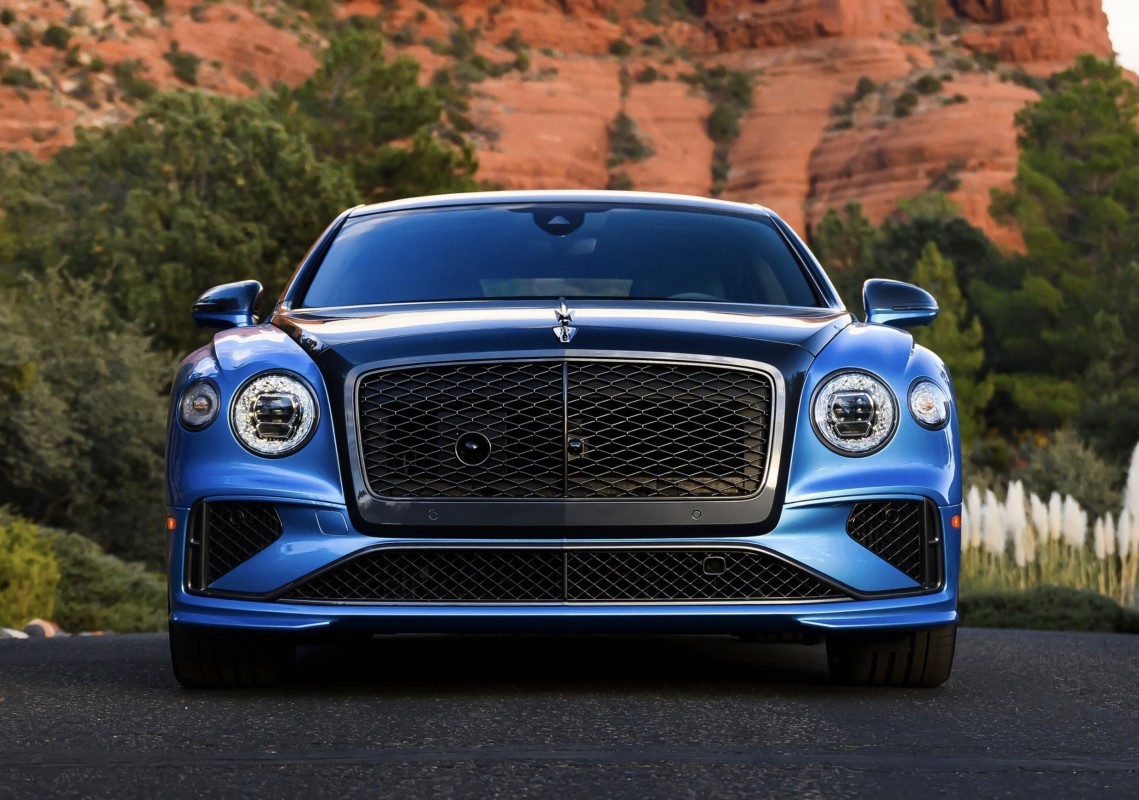
In this context, we discover Bentley’s first electric vehicle, a luxury urban SUV set to launch at the end of 2026. Much like an impatient child waiting for their Christmas gift, we must, however, wait a few more years before seeing this beauty on our roads. The hybrid versions of iconic models like the Continental GT and the Flying Spur will still be around until 2035, thus postponing their transition to electric.
What Bentley is saying
The revision of the “Bentley100+” plan reflects a significant change in the brand’s strategy. Initially, the plan was to introduce a new hybrid or fully electric model each year until 2035. But with new sales forecasts not looking bright, it’s easier to understand why Bentley is taking its time. The first major novelty, this famous electric SUV, will ultimately only be available at the end of 2026, with deliveries spread over 2027. Perhaps they are trying to ensure that the cooking is perfect before serving the main dish!
Dr. Walliser also mentions a “flexibility of powertrains” to meet customer demands. In other words, if you were hoping to see petrol and diesel engines disappear in favour of electric silence, you will have to wait a little longer. Essentially, everyone will have the opportunity to appreciate Bentley’s craftsmanship and performance while still having a good old engine inside.
The market realities
In 2023, the European Union mandates carbon neutrality by 2050 and aims for zero emissions for all vehicles by 2035. This dream of a rapid transition to EVs has faced a harsh reality: the market is not yet ready to embrace such an electric wave. According to an S&P study, the market share of EVs in Europe is expected to drop to 21% instead of the initially projected 27%. As if hoping a storm would turn into mere drizzle…
This situation has led Ursula von der Leyen, President of the European Commission, to admit that there is “a clear demand for more flexibility regarding CO2 targets.” In short, everyone is starting to realise that this rapid transition might need a bit more time… and perhaps a good cup of tea to digest the news.
Bentley
It should not be forgotten that Bentley is not the only player in this unstable market. Other major brands such as Ford and Honda are also taking similar measures, opting for flexible powertrain options. Who would have thought that one day we would talk so much about flexibility in the automotive industry? It almost feels like a yoga session in a high-end studio.
Final thoughts
With these changes, Bentley joins the exclusive club of manufacturers who prefer to play the cautious card rather than the reckless risk. Of course, this approach isn’t very sexy; after all, who wants to hear that the car of the future might still have a good old combustion engine under the hood? Yet, this could well be the future: a range of vehicles offering different powertrain options instead of a fully electric fleet lined up in front of dealerships.
In summary, Bentley positions itself as a beacon in this electrifying storm that is the automotive future. But for now, it seems that customers will have to wait a little longer before having their luxurious electric SUVs up to date.
Official sources: