Hyundai is set to make a bold strategic shift with the launch of the Ioniq 1, an ultra-compact crossover that could shake up the affordable electric vehicle market. As competition intensifies across Europe, this model aims to attract an increasingly budget-conscious audience while meeting rising environmental demands.
A Necessary Expansion of the Ioniq Range
Hyundai has clearly signalled its ambitions to expand the Ioniq range downwards by developing smaller, more accessible electric models. This move is not without significance: as the market for electric SUVs and saloons flourishes, the demand for electric city cars and compacts is beginning to grow. With the rise of brands like Dacia and Renault offering competitively priced models, Hyundai must act decisively to avoid losing ground.
The Ioniq 1, development of which has been confirmed by prototypes spotted on the road, positions itself as the answer to this necessity. Beyond merely expanding the range, it represents a strategic repositioning in the face of ever-growing competition. This model could enable Hyundai to capture a young, urban clientele eager for mobility solutions that are both eco-friendly and economical.
A Design Focused on Space and Efficiency
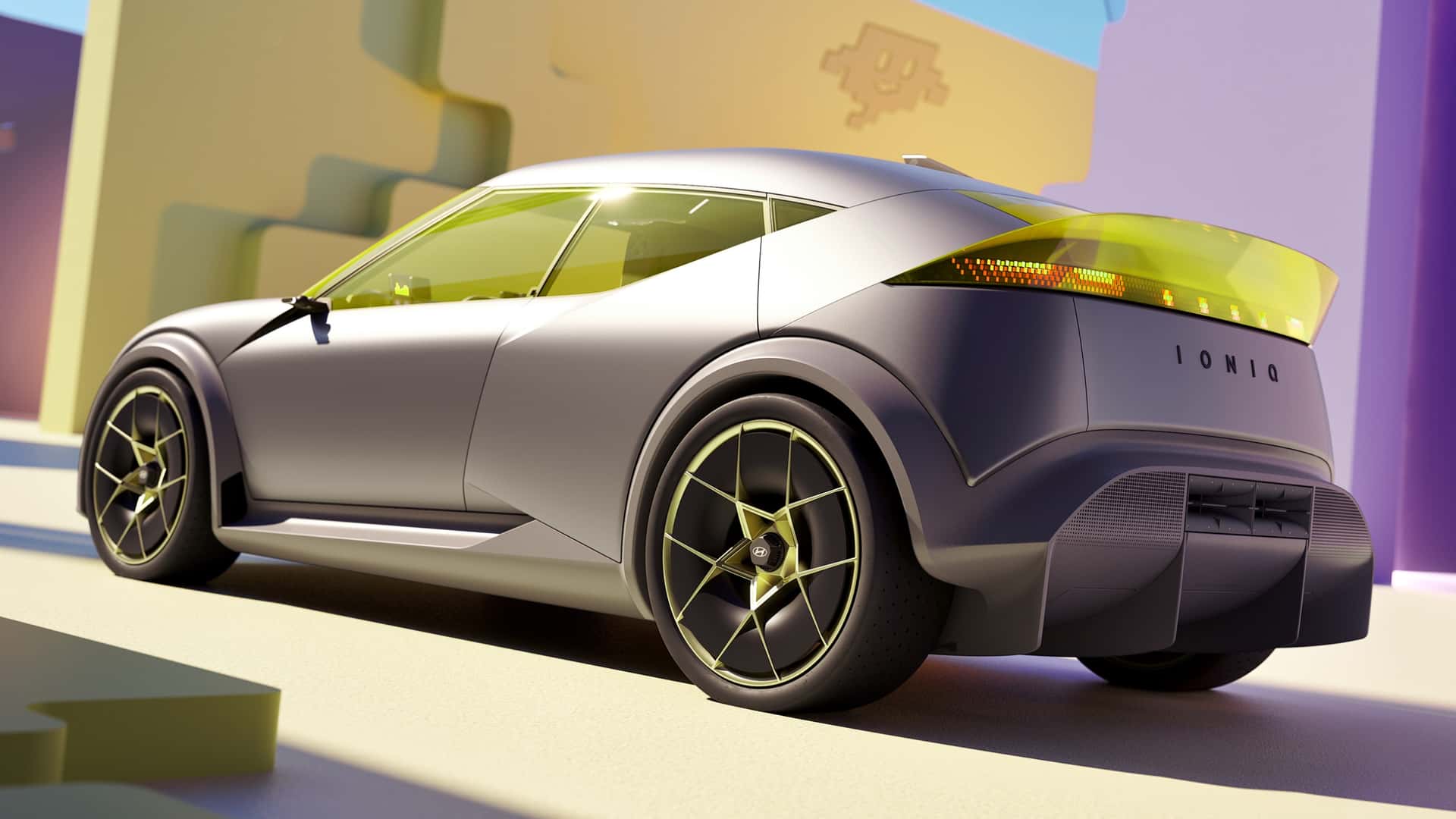
The Ioniq 1 crossover, expected to measure under 4 metres in length, relies on angular lines to maximise interior space. This design strategy is crucial for attracting city dwellers seeking compact yet practical vehicles. Indeed, competition in the small electric car segment is tightening, and Hyundai must distinguish itself with an offering that combines functionality and aesthetics.
The prototype, photographed by Chinese media outlet Autonome, hints at a vehicle that is both modern and dynamic, capable of appealing to younger drivers. The Ioniq 1 could thus become a significant asset for Hyundai, providing an attractive alternative to established models in the market.
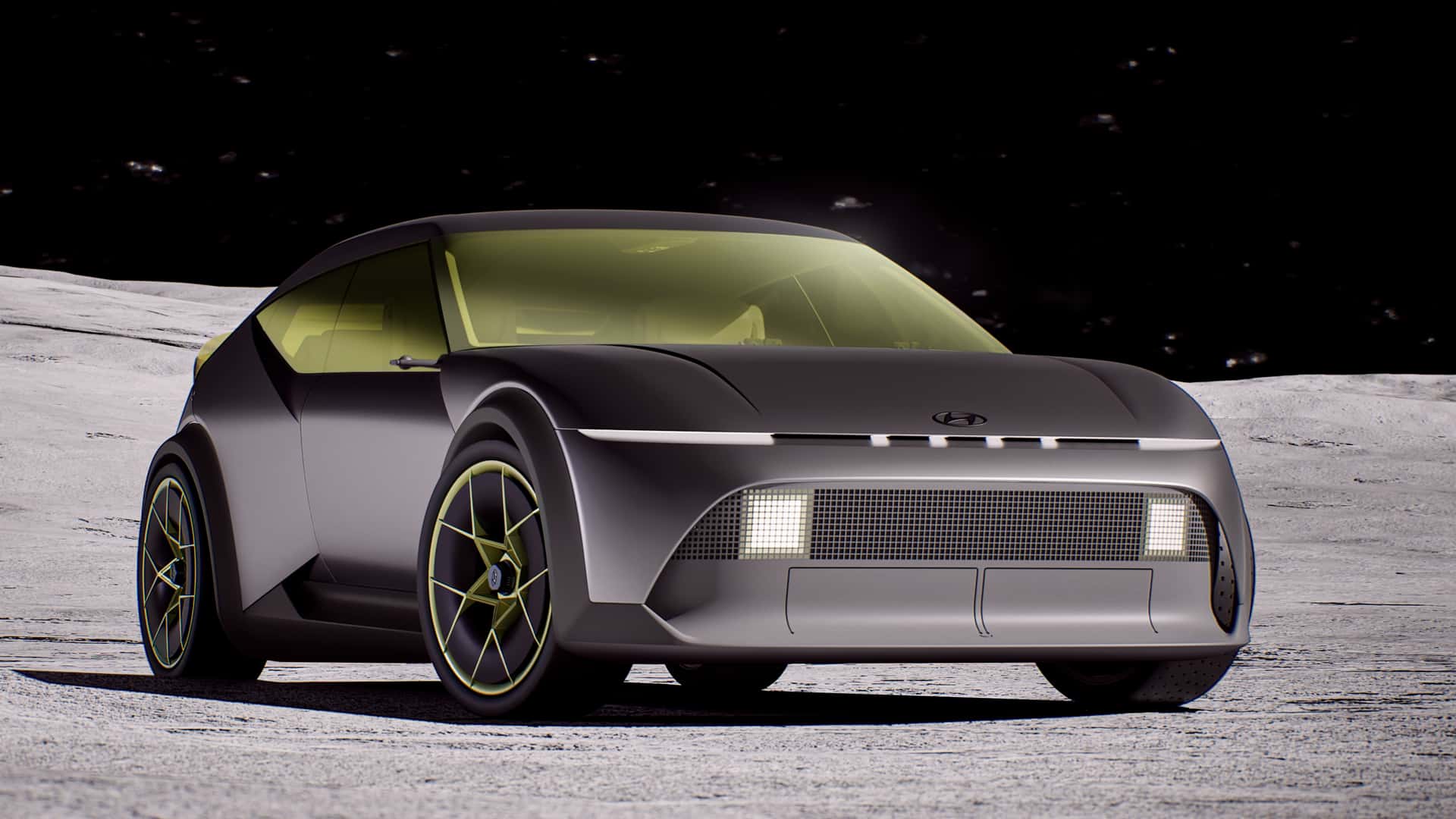
Hyundai Concept Three (2025)
Strategic Timing: Following the Ioniq 3
The Ioniq 3, expected by the end of the year, is set to make waves with a sportier design and a high-performance version developed by the “N” division. This timing is crucial: as Hyundai seeks to make a statement with high-end models, the Ioniq 1 could benefit from the halo effect of its larger sibling.
In reality, the Ioniq 1 could play a key role in Hyundai’s strategy to appeal to a broad audience. Alongside the premium push with the Ioniq 3, the introduction of an entry-level model would establish a solid presence across all segments of the electric market. It’s a risky bet, but one that could pay off if the brand successfully communicates the advantages of its models.
Production and Commercial Strategy: A Global Model
The production of the Ioniq 1 is expected to take place in an Indian factory, a strategic choice aimed at reducing costs while bolstering Hyundai’s presence in the Indian market. This country represents fertile ground for the development of new zero-emission mobility technologies, and local production could enable Hyundai to respond swiftly to market demands.
However, the Ioniq 1 will not be reserved for emerging markets. It will also be offered in Europe at an estimated price of around €20,000, a figure that positions it directly against affordable electric models beginning to flourish across the continent. This pricing strategy is essential to attract consumers who are still hesitant to make the leap to electric due to often high initial costs.
Challenges Ahead for Hyundai
However, this ambitious project is not without its challenges. Competition in the small electric car segment is fierce, with players like Renault and Dacia already offering attractive models at lower prices. Moreover, the rapid evolution of battery and charging technologies requires Hyundai to remain at the forefront of innovation to avoid being quickly outpaced.
Furthermore, the brand must ensure that the Ioniq 1 offers sufficient range to meet the expectations of European consumers, who are beginning to demand performance levels comparable to those of internal combustion vehicles. The challenge will be to strike a balance between cost, range, and driving pleasure to appeal to an increasingly discerning audience.
In Summary
- The Ioniq 1 aims to expand Hyundai’s electric offering with an affordable model.
- A compact and functional design to appeal to city dwellers.
- Production planned in India to reduce costs while targeting the European market.
- A challenge against intensifying competition in the electric segment.
- Hyundai’s overall strategy hinges on balancing innovation and accessibility.