


With the VLE, Mercedes-Benz is boldly transforming its image in the van segment. This electric model, marking the start of a new era for the brand, promises to combine comfort, safety, and agility, offering unprecedented versatility for modern families.
An Innovative Architecture for an Electric Future
The Mercedes VLE is the first to utilise a new modular architecture, which will launch a series of electric vans under the Star label by 2026. This strategy represents a significant shift for Mercedes-Benz, positioning itself in a segment where electrification is becoming essential. By integrating advanced technologies, the brand aims to attract an audience seeking sustainable and efficient mobility solutions.
This architectural choice, combined with innovative design elements, allows the VLE to compete directly with premium models while meeting the growing consumer demand for sustainability. The rise of electric vehicles in the European market necessitates that brands like Mercedes adapt quickly to avoid being outpaced by competitors such as Tesla and Volkswagen.
A Redesigned Space for the Modern Family
The VLE is not just a vehicle; it is a true living space on wheels. With capacity for up to eight passengers, this van redefines the concept of family space. The interior solutions are designed to optimise comfort and convenience, from modular seating to clever storage options. In short, it meets the increasing demand for space and flexibility, essential for larger families.
This approach also addresses a broader trend: the search for alternatives to traditional SUVs, often deemed too bulky for urban use. The VLE positions itself as a relevant alternative, combining practicality and elegance while offering manoeuvrability comparable to that of a limousine.
Performance That Meets Expectations
During tests conducted between Stuttgart and Rome, the VLE demonstrated its ability to cover over 1,000 km with just two charging stops. This result highlights the efficiency of its electric system and its range, which should appeal to regular long-distance users. Such performance could tip the scales in favour of this model against its direct rivals in the market.
The VLE’s battery, with a capacity of 115 kWh, is designed to support extended journeys while maintaining a high level of comfort through optimised energy management. This means users can consider trips without constantly worrying about recharging, a significant advantage for family use.
Surprising Agility for a Van
The rear-axle steering system, capable of turning up to 7°, is one of the standout features of the VLE. This technical detail allows for a turning radius of less than 10.9 metres, which is remarkable for a vehicle of this size. This manoeuvrability is comparable to that of a Mercedes CLA, making the VLE particularly suited for urban driving. It offers a driving experience that stands out in the world of vans, often perceived as bulky.
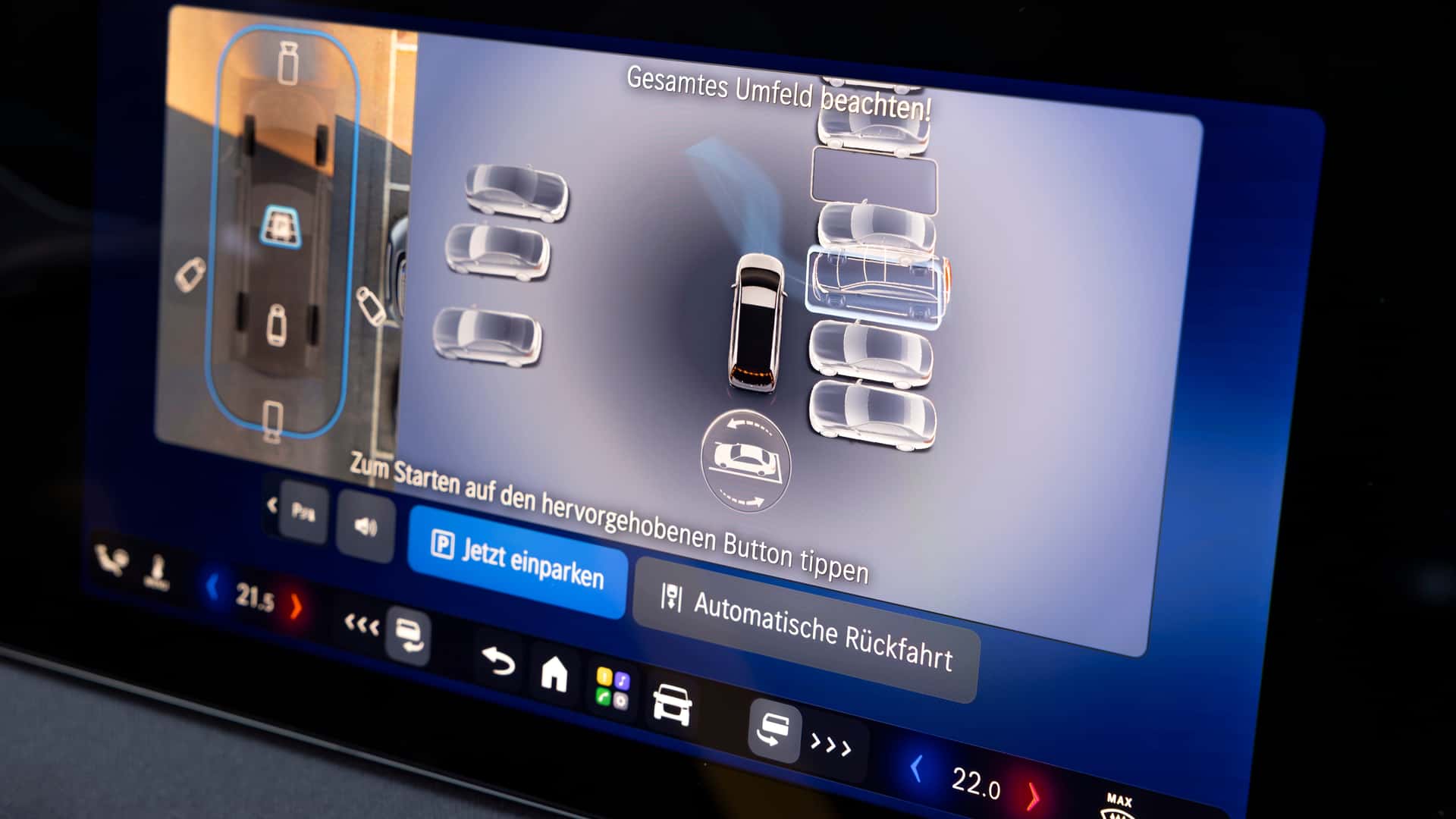
The state-of-the-art automatic parking system further enhances this sense of agility. By autonomously managing steering, acceleration, and gear changes, the driver only needs to intervene with the brake. This feature is a real relief in urban environments where parking spaces are often tight.
A Strategic Turning Point for Mercedes-Benz
With the VLE, Mercedes-Benz is not just following the electrification trend; it is asserting itself as a significant player in the premium van segment. This model represents a risky yet necessary bet in light of the rise of electric vehicles. The decision to integrate advanced technologies and rethink interior space reflects a commitment to meet new consumer expectations.
In the long term, this strategy could allow Mercedes to strengthen its brand image while addressing current environmental challenges. Electrification and technological innovation are now at the core of the brand’s future development, which could solidify its position in the market in the coming years.
In Summary
- The VLE marks a strategic shift for Mercedes-Benz towards electrification.
- It combines comfort, safety, and agility, redefining van standards.
- Its 115 kWh battery provides adequate range for long journeys.
- The rear-axle steering system offers surprising manoeuvrability.
- This model could strengthen Mercedes’ position in the electric vehicle market.


