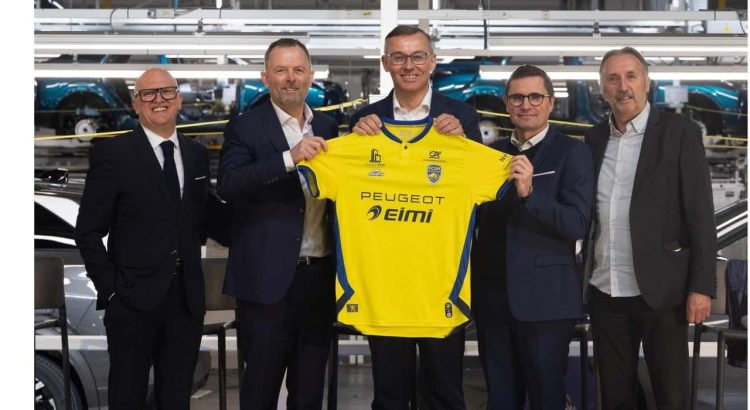
Peugeot makes a notable return to the world of football by renewing its partnership with FC Sochaux-Montbéliard, a club that embodies the brand’s industrial history. This strategic decision aims to strengthen ties with the local community and revive a deeply rooted identity.
After several years of distance, Peugeot has officially announced its return as a sponsor of FC Sochaux-Montbéliard, a club founded in 1928 by the Peugeot family. This move is more than just a commercial agreement; it’s a defensive maneuver to reaffirm the brand’s historical and cultural ties to the Doubs region. In an era where brand identities are often challenged by globalization, this return represents Peugeot’s strategy to redefine its image and reconnect with its industrial roots.
A Return to Roots: History at the Core of Strategy
The link between Peugeot and FC Sochaux-Montbéliard is emblematic. For decades, the club has been a model of a corporate team in France, nurturing young talent and fostering a strong sporting culture. This partnership reconnects with a rich history, reminding us that the automotive brand is not just an industrial player but also a pillar of local heritage. By stepping back into the spotlight, Peugeot aims not only to support the club but also to highlight its role in the economic and social development of the region.
The Stakes of Renewed Visibility
With the return of the Peugeot logo in the stadium and on the club’s communication materials, the stakes of visibility are crucial. For FC Sochaux-Montbéliard, this financial and media support could attract other partners, solidifying its position in the French sports landscape. For Peugeot, it’s an opportunity to revitalize its image among football fans and younger generations who value commitment and local identity.
A Symbol of Hope for the Future
This partnership comes at a pivotal moment for FC Sochaux-Montbéliard, which is seeking to reposition itself on the national stage. By partnering with an iconic automaker, the club sends a positive signal to its supporters and potential investors. In short, Peugeot’s return could be the catalyst for a positive dynamic for the club, allowing it to aim for a more ambitious future.
A Strategy for Brand Valorization in a Competitive Market
For Stellantis, this initiative extends beyond the sports sphere. It aligns with a broader desire to enhance the group’s brands and their heritage. As the automotive market undergoes transformation with electrification and the rise of new technologies, Peugeot faces increased competition. By reaffirming its roots and commitment to the territory, the brand hopes to differentiate itself in a sector where authenticity and identity have become key values.
The Limits of a Symbolic Partnership
However, this return to grace should not overshadow the challenges Peugeot faces. While the partnership with FC Sochaux-Montbéliard holds promise, it cannot alone resolve the structural issues confronting the automaker. Transitioning to more sustainable models and adapting to new consumer expectations remain priorities. Indeed, nostalgia alone cannot ensure a brand’s longevity in the face of market evolution.
In Summary
- Peugeot reconnects with FC Sochaux-Montbéliard to strengthen its local roots.
- This partnership aims to revitalize the brand’s image in a competitive context.
- The return of the Peugeot logo in the stadium offers increased visibility for the club.
- This rapprochement symbolizes a desire to valorize the brand’s industrial heritage.
- Structural challenges remain for Peugeot amid automotive market evolution.
This return to roots could mark the beginning of a new era for Peugeot and FC Sochaux-Montbéliard. In the medium term, this strategy could allow the brand to strengthen its image while supporting an emblematic club in its quest for renewal. For football enthusiasts and automotive fans alike, this partnership represents a wonderful opportunity to celebrate the shared history that unites these two entities.