With the unveiling of the Golf 9 silhouette, Volkswagen appears to be making a significant strategic shift. Balancing heritage and modernity, the German manufacturer seeks to reconcile its combustion and electric models while addressing consumer expectations.
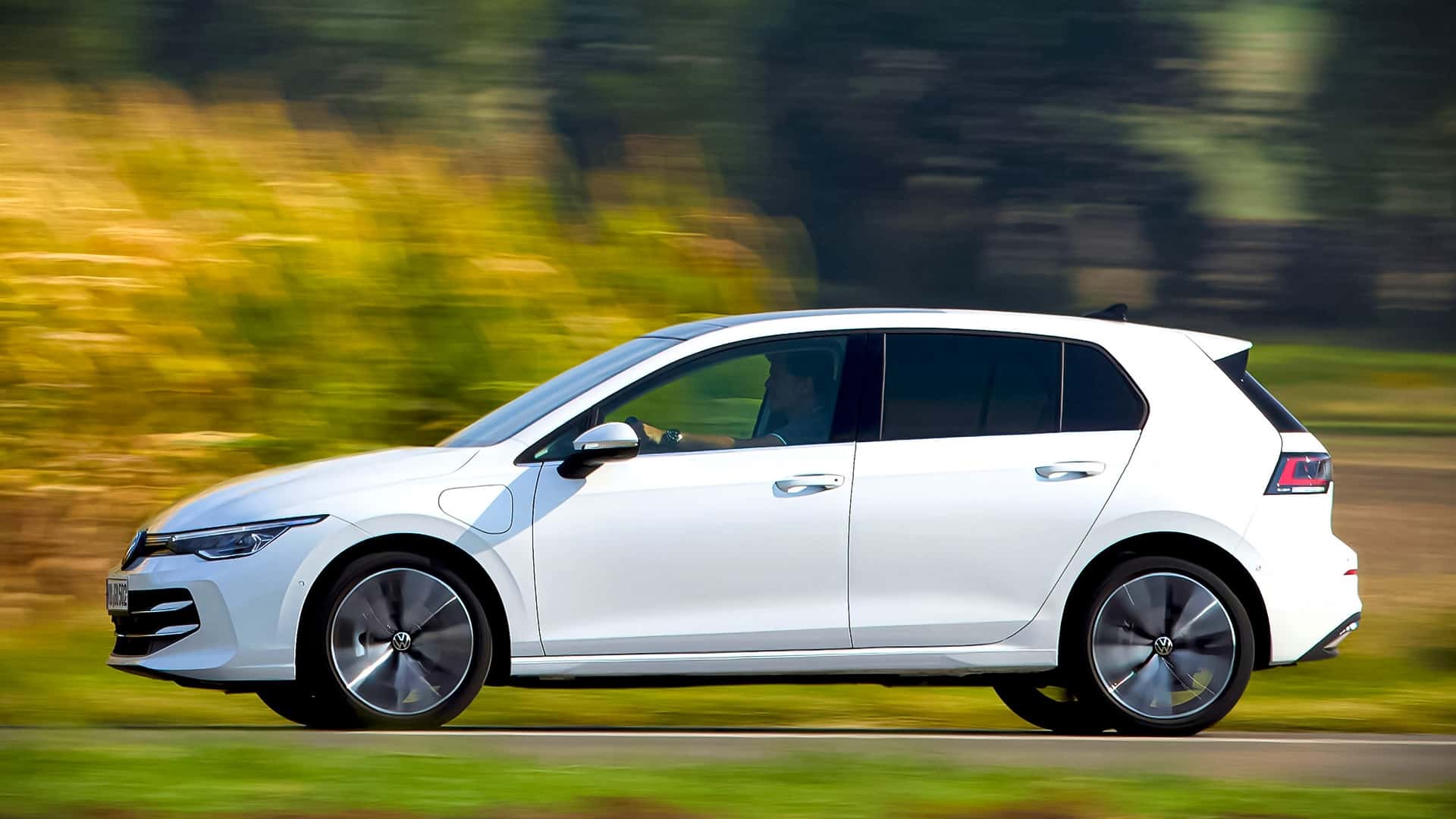
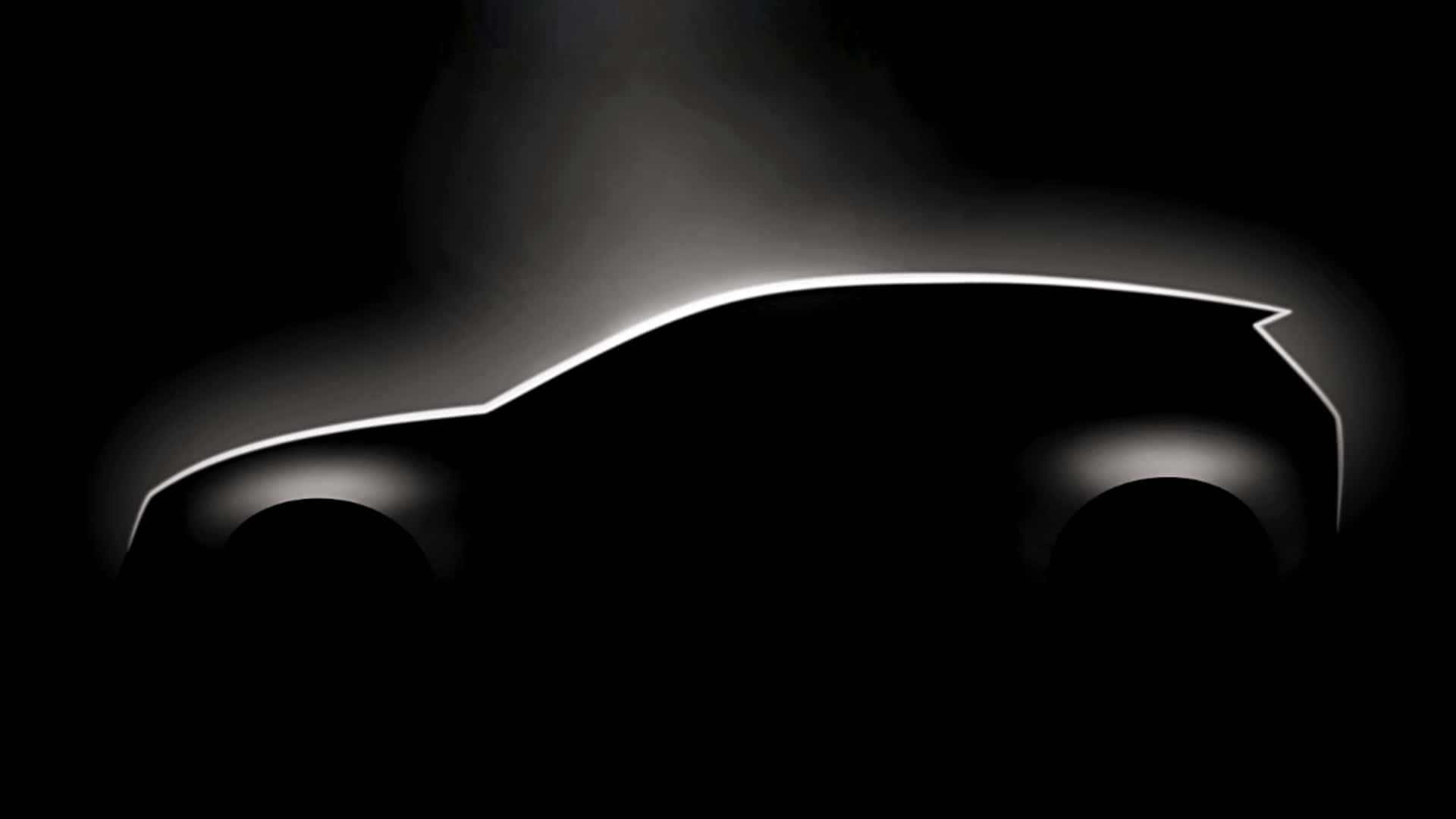
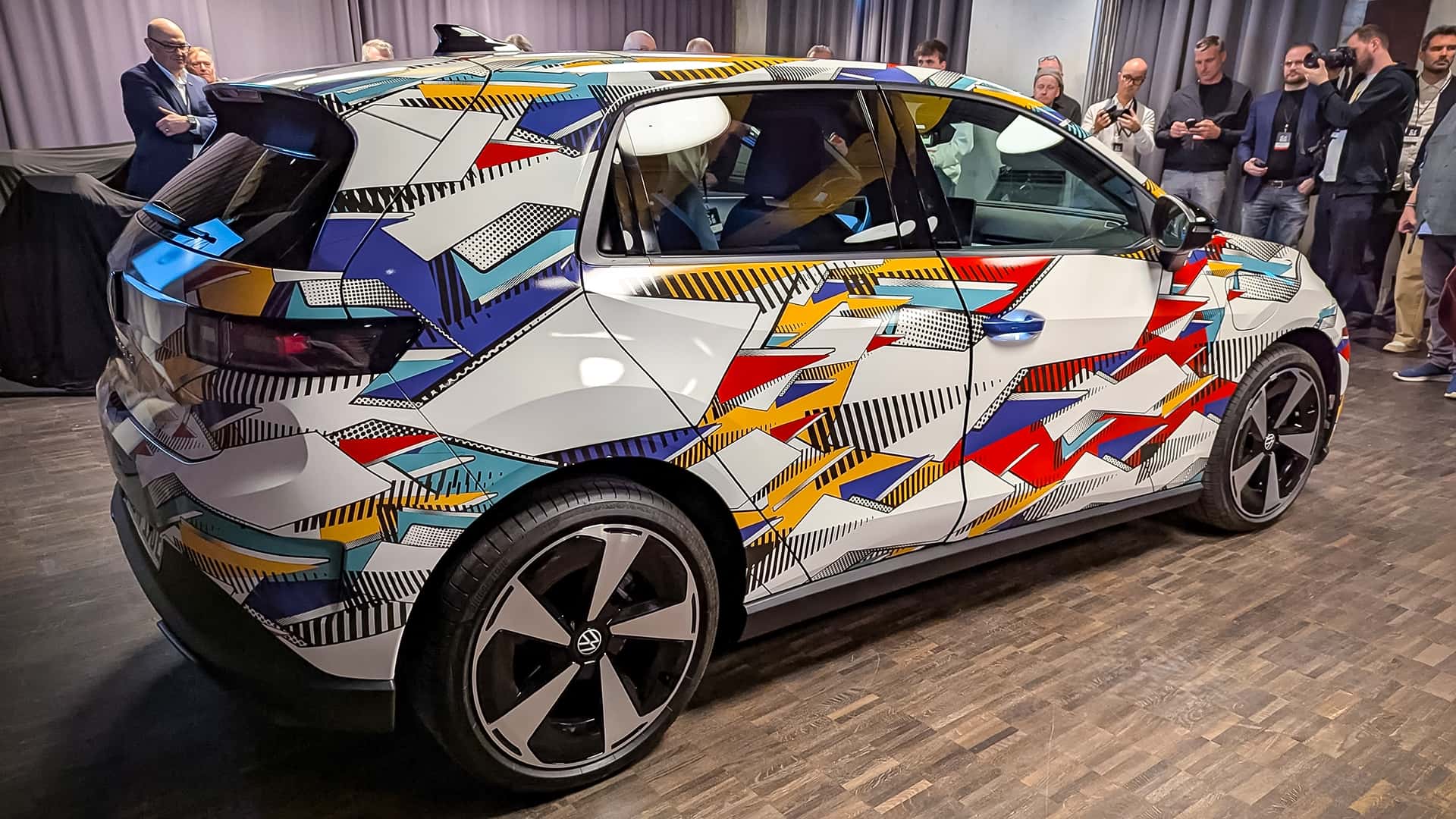
The first official image of the Golf 9, presented during the staff general assembly in Wolfsburg, has generated considerable interest. The Golf remains iconic, being one of the best-selling cars in Europe. However, behind this familiar silhouette lies a strategy far more complex than it appears. In a rapidly evolving market, Volkswagen is attempting to redefine its approach with a model that could reflect a return to its roots.
A Familiar Silhouette for a Reinvented Model
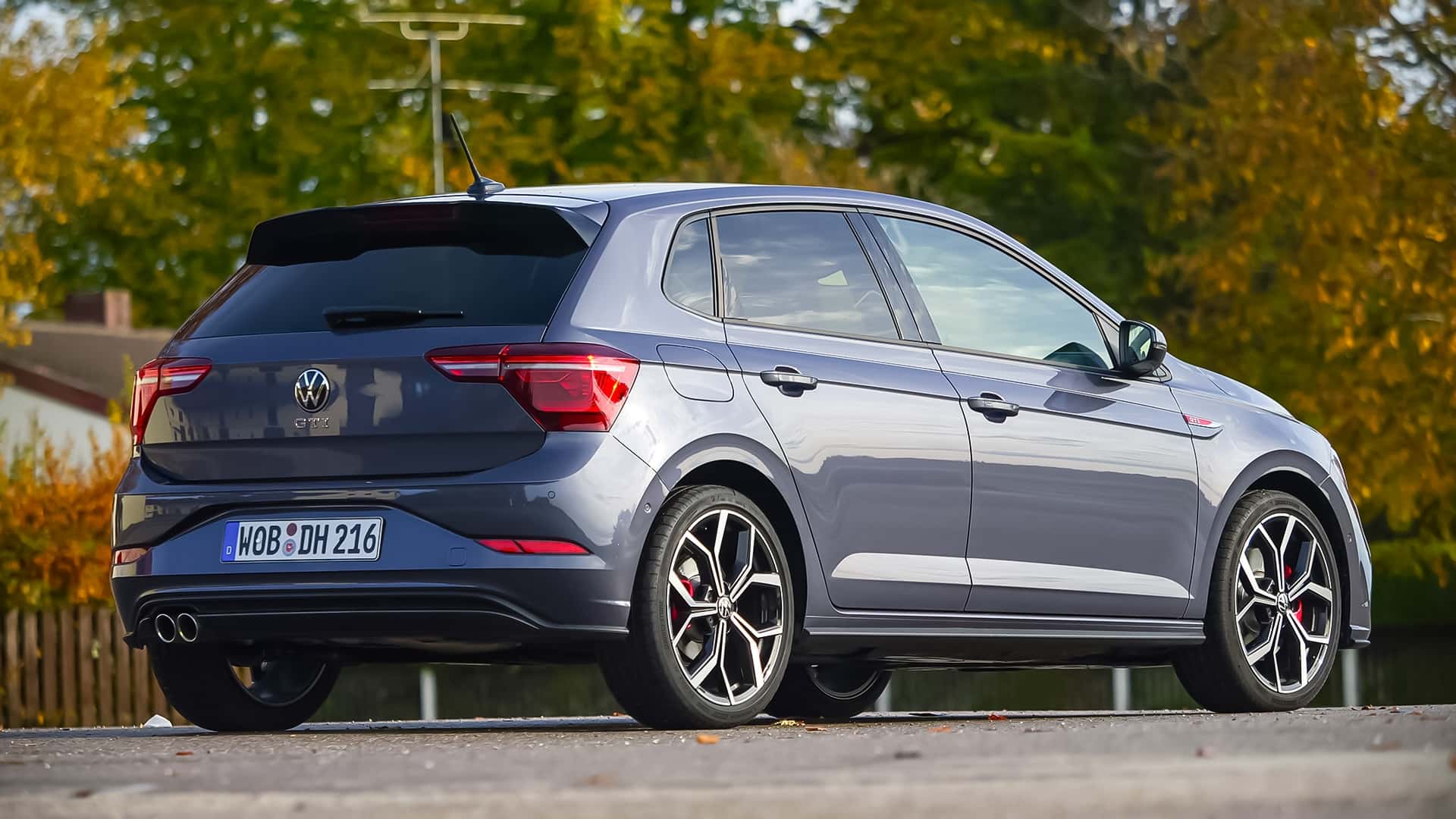
At first glance, the Golf 9 does not revolutionise design, continuing the line of its predecessors. Design chief Andreas Mindt adopts a similar approach to that of the Polo, favouring evolution over disruption. However, this strategy raises questions: Is Volkswagen trying to reassure its customers or capitalise on a proven success? Essentially, the brand seems to prioritise the safety of a familiar design in front of a rapidly evolving audience.
Towards Model Hybridisation
The real theme is Volkswagen’s desire not to distinguish so radically between its combustion and electric models. The Golf 9 will coexist with a fully electric version, the ID. Golf, set to launch in 2028. This choice marks a break from the past, where each technology had its dedicated model. This hybridisation could satisfy the growing demand for versatile vehicles capable of adapting to the diverse needs of modern drivers.
A Return to Physical Controls
In terms of comfort and ergonomics, Volkswagen also seems to be taking a step back. The trend of reducing touch controls, sometimes deemed overly complex, gives way to a return to physical buttons on the steering wheel and centre console. This choice responds to a recurring criticism from users who prefer a more intuitive interface. This change could attract a clientele nostalgic for the sensations of previous Golf generations while integrating modern elements such as the retro mode inspired by the Golf I.
A Turning Point for Production
In the realm of production, Volkswagen has announced that the combustion version of the Golf will be manufactured in Mexico starting in 2027. This choice raises questions about the future of European production sites and the economic implications of offshoring. However, this strategy could help reduce costs while meeting growing international demand. The question remains: how far will Volkswagen go in this pursuit of profitability?
Market Pressure and Competition
In a context where competitors are multiplying their electric offerings, Volkswagen must double down to maintain its market position. The Golf 9 could thus be seen as a defensive manoeuvre against rivals such as Tesla and Renault, who have successfully attracted a clientele seeking innovation. Indeed, the balance between tradition and modernity will be crucial to capturing the attention of a generation of drivers increasingly concerned about the environment.
Alternatives to Watch
Finally, the emergence of the ID. Polo in 2026 could also influence consumer choices. If this new offering manages to attract attention with its design and performance, it could divert some focus from the Golf 9. Volkswagen will need to navigate carefully between its various models to avoid cannibalising its sales while meeting the expectations of an increasingly demanding clientele.
In Summary
- The Golf 9 embodies a return to safe values while integrating innovations.
- Volkswagen is betting on hybridising its combustion and electric models.
- The return to physical controls reflects a response to consumer opinions.
- Offshored production raises economic and social questions.
- Growing competition forces Volkswagen to intensify efforts to remain relevant.
In conclusion, the Golf 9 represents a strategic turning point for Volkswagen, oscillating between tradition and modernity. If this model manages to capture the interest of a changing clientele, it could strengthen the brand’s position in the automotive market. However, many challenges remain, and the consequences of these strategic choices will be felt in the coming years.