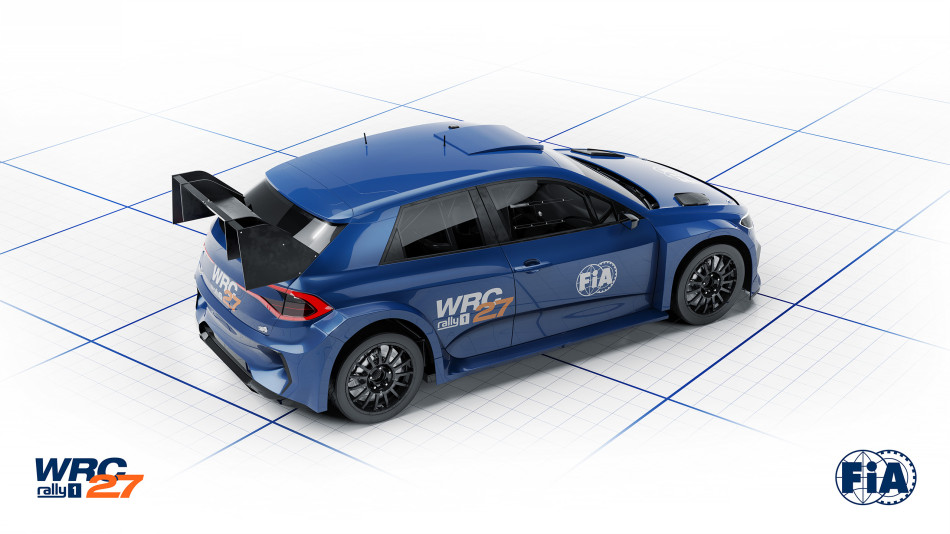
The world of rallying is set to enter a new dimension with the WRC27 concept, recently unveiled by the FIA. Imagine a framework that combines safety, accessibility, and spectacular performance: this is exactly what this regulatory revolution for 2027 promises.
A foundation focused on safety
At the heart of the WRC27 concept is a tubular safety cell, an evolution of the structures introduced with the Rally1 cars in 2022. By employing advanced simulations and crash tests of prototypes, this new structure offers unprecedented occupant protection while reducing complexity and costs. If you thought rally cars were already robust, prepare to be amazed: this design enhances energy absorption and reduces intrusions during frontal, lateral, and rear impacts.

A flexible vehicle design
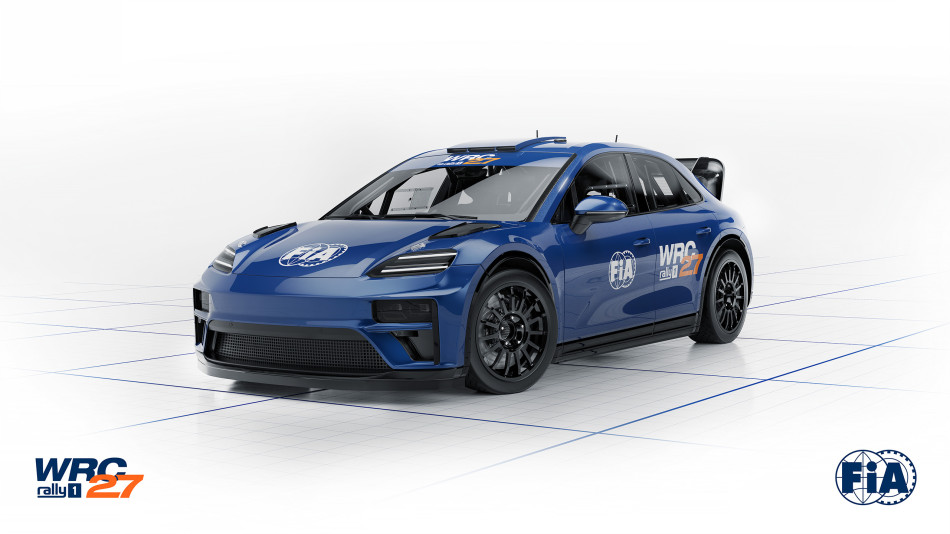
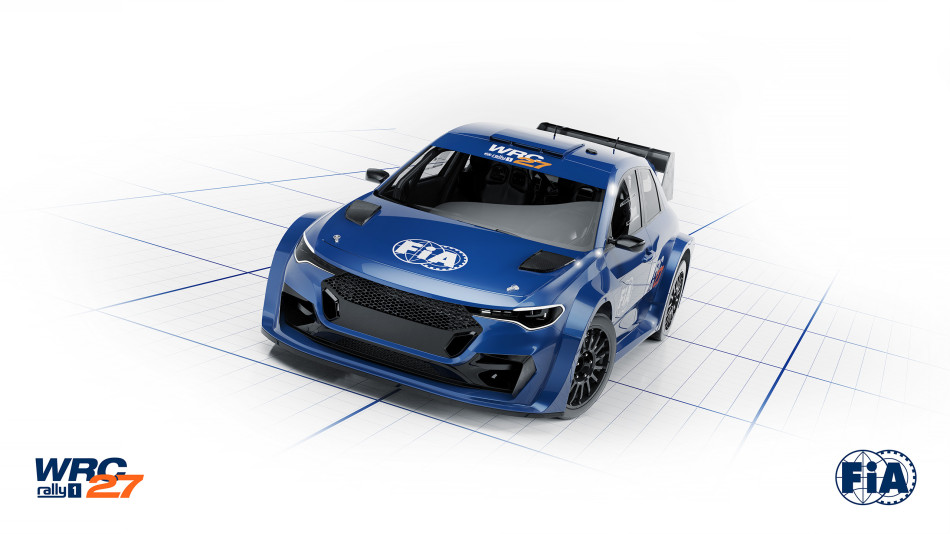
Surrounding this safety cell, a body frame has been designed to promote flexibility. Rather than having to derive cars from existing production models, the WRC27 regulations define a reference volume within which all external parts must fit. This means manufacturers can unleash their imagination, ranging from designs based on production models to bespoke rally concepts. Aerodynamic devices have also been simplified to reduce development costs and technical complexity.
A future oriented towards Manufacturers
The WRC27 regulations pave the way for a broader range of competitors by integrating both OEMs (manufacturers) and preparers under a single definition of manufacturer. By unifying these entities, the FIA strengthens competition at the highest level. A manufacturer is now defined as the entity responsible for the design and construction of a WRC27 car, its presentation to the FIA for homologation, and the marketing of the car and associated parts.

Accessible performance
Performance accessibility is at the core of the WRC27 package, aiming to reduce the existing performance gap between the upper and lower levels of competition. This will facilitate access for young drivers without requiring costly specific tests. The cars will be powered by a 1.6-litre turbocharged thermal engine developing around 290 horsepower, coupled with all-wheel drive and a five-speed manual gearbox. The suspension will be in a double wishbone configuration, with braking and steering systems derived from the current Rally2 specifications, thus providing a high-performing and economical package.
The dimensions of the tubular chassis are precisely defined: a minimum length of 4100 mm, a maximum length of 4300 mm, a maximum width of 1875 mm, a minimum wheelbase of 2600 mm, and a minimum height of 1270 mm. Within these limits, manufacturers can create a wide range of designs.
A restructuring of the rally pyramid
As the World Rally Championship enters its new regulatory cycle, WRC27 cars will compete alongside existing Rally2 machines in the top category. A great opportunity to mix different types of competitive cars at the highest level of international rallying.
A powertrain platform ready for the future
The flexibility of the powertrain is essential in the WRC27 philosophy. While the initial configuration for the first years consists of a sustainable 1.6-litre turbo thermal engine, the framework also allows for the future introduction of other types of powertrains.
Reducing the cost of competition
Reducing costs to compete at the highest level of rallying has been a central goal of the WRC27 regulations. The price of a ready-to-compete car has been capped at €345,000 for a tarmac specification, representing a reduction of over 50% compared to the previous formula. These savings come from a specification of component costs and improved durability, thus decreasing purchase and replacement costs throughout a season.
The regulations also aim to reduce operational costs through limits on personnel, reduced logistical requirements, increased use of local facilities, and improved connectivity to support remote engineering.
Statements for the future
The President of the FIA, Mohammed Ben Sulayem, stated: “The WRC27 regulations represent a pivotal moment for the World Rally Championship. They establish a framework focused on cost control, sustainability, and accessibility, while preserving the performance and technical challenge that define rallying at the highest level. The WRC27 concept shows how these principles come together and indicates the direction for the development of the next generation of rally machines.”
The FIA’s Sporting Vice-President, Malcolm Wilson, added: “Flexibility is a defining characteristic of the WRC27 regulations. The new Rally1 concepts we have published have been designed according to these specifications, demonstrating how this flexibility can be applied in practice while meeting the demands of high-level FIA World Rally Championship competition.”
Peter Thul, Sporting Director of the WRC Promoter, concluded: “We welcome these new regulations that emphasize financial accessibility. We are confident that this will lead to an increase in manufacturers and now competitive constructors at our sporting summit. A positive and open dialogue has taken place between all parties involved, and we must now continue to work together to ensure that 2027 marks the beginning of the greatest era of the WRC.”