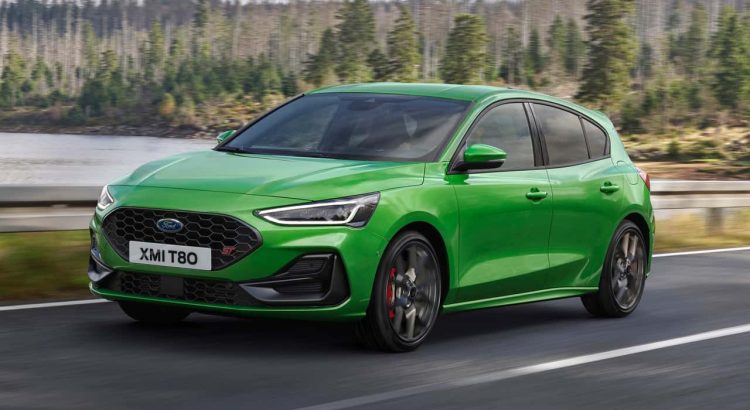
In light of significant changes in the European automotive landscape, Ford is preparing to return to the passenger car segment it nearly abandoned. This approach could be more than just a simple comeback; it represents a bold strategic realignment in the face of growing competition and increasing environmental demands.
Ford ceased production of its last sedan in the US, the Fusion, in 2020. In Europe, the Focus will only be available until 2025. Despite the absence of such models in its lineup, Ford insists it has not given up on the idea of producing passenger cars. During the earnings call for T4 2025, CEO Jim Farley hinted that the brand is planning “exciting projects for Europe” concerning these vehicles. The question remains whether this announcement marks a genuine turning point or is merely a defensive strategy.
A Calculated Retreat to the European Market
Notably, Ford is not taking things lightly. In discussions with European dealers, the manufacturer mentioned the introduction of several new models by 2027, ranging from hybrids to fully electric vehicles. This multi-channel approach could be key to convincing an increasingly sustainability-focused market.
Clearly, Ford recognises that the future belongs to electrified vehicles. By partnering with Volkswagen to utilise the MQB platform, the American manufacturer could develop a compact electric vehicle to compete with the ID.3. Should this partnership materialise, it would demonstrate a willingness to leverage the strengths of both companies to better position themselves in a changing market.
Strategic Alliances on the Horizon

Volkswagen ID.3 Pro S
Discussions with Renault and Geely further underpin this strategy. The partnership with Renault will lead to the development of two models designed and produced by the French manufacturer, with the first vehicle planned for 2028. Simultaneously, the possibility of producing Geely vehicles at the Valencia plant could help Ford avoid tariffs, thereby reducing financial pressure on production costs.
This approach could be interpreted as a clever industrial move aimed at optimising resources while meeting the expectations of European consumers. It remains to be seen whether these alliances will bear fruit and whether Ford can stand out in an increasingly competitive automotive market.
Expanded Offerings Also in the US

Ford Fusion
However, the comeback is not limited to Europe. Ford also has similar plans for the US market. Andrew Frick, President of Ford Blue and Model E, announced that the manufacturer will offer a new range of “passenger cars, commercial vehicles, SUVs, and vans” by 2030. These models, expected to be priced under $40,000, will also include “multi-energy” drivetrains.
This diversification ambition shows a desire not to lose sight of the US market, especially in light of the rise of competing brands like Tesla and Rivian. Ford appears to be aiming to capitalise on its heritage while adapting to new trends.
An Uncertain but Promising Future
Nevertheless, many questions remain regarding the exact nature of these new models. Details are vague, and no concrete information has been provided about the technical specifications or performance of the future vehicles. This uncertainty could raise doubts among consumers and investors.
Practically speaking, if Ford can close these information gaps and convincingly present the validity of its projects, it could revitalise a tarnished image burdened by recent strategic decisions. A successful return to the passenger car segment could also enable Ford to reposition itself as a key player in a changing market.
Summary
- Ford announces a comeback of its passenger car models in Europe and the US.
- Strategic alliances with Volkswagen and Renault to develop an electric model range.
- Diversification plans to include multi-energy vehicles by 2030.
- Uncertainties exist regarding the details of the new models.
- A successful return could strengthen Ford’s position in the global automotive market.
Conclusion: Ford seems to be banking on a bold comeback in the passenger car segment, with strategic alliances and a diversified offering. Who could benefit from this? European and American consumers seeking innovative and environmentally friendly vehicles may find what they are looking for. However, the brand must navigate carefully to avoid the mistakes of the past. The alternatives in the market are plentiful, and competition will not be forgiving.