
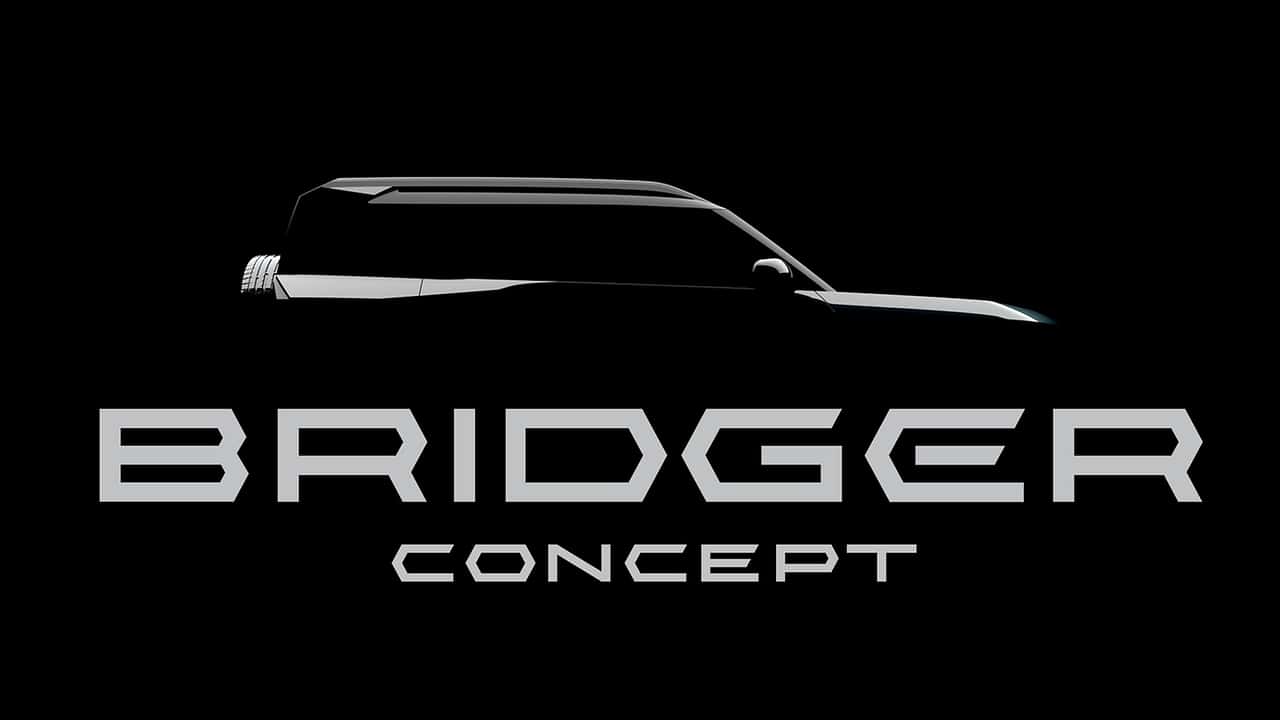
Renault is preparing to make a decisive move in the compact SUV segment with the Bridger, a model whose bold design and targeted strategy aim to capture emerging markets. By unveiling this concept, the French manufacturer clearly demonstrates its intent to assert itself against the growing competition in the international automotive sector.
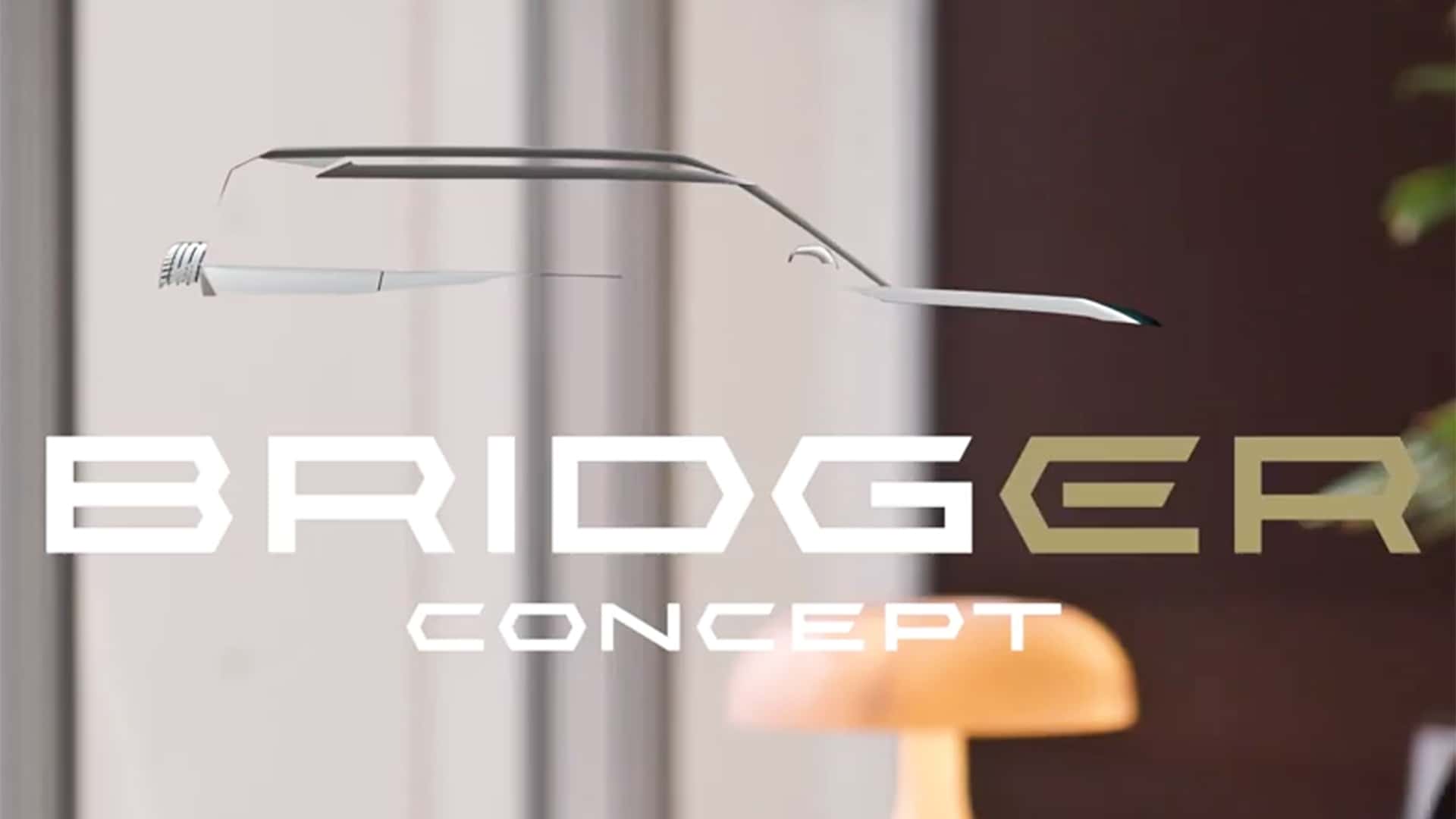
The Renault Bridger is the latest addition to the brand’s projects, with the first teasers just revealed. This small SUV, measuring less than four metres, is primarily aimed at markets in India, South America, Africa, and the Middle East. The model will be fully presented on 10 March, during the unveiling of Renault Group’s futuREady strategic plan. This will be an opportunity for the manufacturer to show that it still has a significant role to play in a rapidly evolving automotive market.
A Design That Flirts with Adventure
The Bridger Concept stands out with its angular lines and rugged appearance, resembling a 4×4 more than a simple urban SUV. With pronounced edges and a vertical profile, it could almost be mistaken for an off-road vehicle. The most striking feature remains its spare wheel mounted on the tailgate, a nod to an era when vehicles were designed for adventure.
This stylistic direction is not without purpose. Indeed, Renault seems keen to attract a clientele in search of robustness and versatility. The Bridger could thus compete with models like the Dacia Duster while offering a more compact alternative. However, for now, it is not expected to appear on the European market, leaving some uncertainty about its distribution strategy.
A Name That Evokes Connection
The choice of the name Bridger, inspired by the English word “bridge”, symbolises the idea of connection and strength. Sylvia dos Santos, head of naming strategy at Renault, explains that this name fits into a broader approach to extending the brand’s model family. By choosing a name with an Anglo-Saxon resonance, Renault also aims to project a modern and dynamic image for its new model.
This choice is accompanied by a desire for internationalisation. The Bridger could thus enhance Renault’s image as a manufacturer capable of adapting to the tastes and needs of emerging markets. In short, this model could become a strong identity vector for the brand in segments where it is still relatively discreet.
A Double-Edged Strategy
By opting for a compact SUV, Renault is betting on a booming segment. Small SUVs have become essential in emerging markets, where consumers seek vehicles that offer both habitability and agility in urban environments. However, this strategy carries risks. Competition is fierce, with players like Toyota and Kia already dominating the market with well-established models.
The real challenge will be to position the Bridger not only as an affordable SUV but also as an attractive model in terms of design and functionality. If Renault can create an emotional connection with potential customers, then the Bridger could well establish itself as a reference in its segment.
A Model to Watch on the International Stage
With the Bridger, Renault is not merely adding a model to its range. It represents a genuine test for the brand in terms of international development. Indeed, the ability to adapt its products to the specifics of local markets will be crucial. The Bridger could thus serve as a springboard for a broader offensive by Renault in the Asian and African markets, where demand for compact SUVs is growing rapidly.
At the same time, this strategy could also influence future decisions regarding models intended for Europe. If the Bridger achieves the expected success, it is highly likely that Renault will consider launching an adapted version for the old continent, which could redefine its image in the European market.
In Summary
- The Renault Bridger is a compact SUV designed for emerging markets.
- Its angular and robust design aims to attract a clientele eager for adventure.
- The choice of the name “Bridger” reflects a desire for connection and modernity.
- Renault’s strategy could redefine its presence in the compact SUV segment.
- The success of the Bridger could influence future models intended for Europe.
In conclusion, the Renault Bridger represents a bold defensive manoeuvre in a market where competition is constantly evolving. This model could appeal to a new clientele in search of a compact and robust SUV. However, its success will depend on Renault’s ability to meet consumer expectations in diverse markets. If this offensive is successful, it could revitalise the brand’s image and strengthen its position in the international market.


