

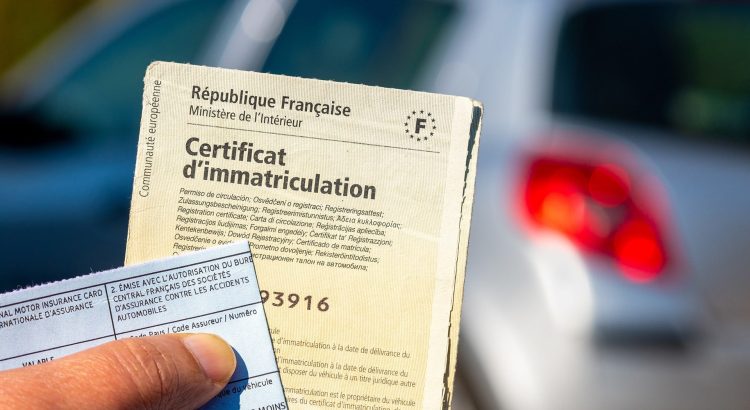
Since 1st March 2026, the increase in the price of the fiscal horse in Île-de-France has sent shockwaves through the motoring community. With the rate now set at €68.95, a rise of €14 from before, this change raises questions about the government’s strategy and its implications for users, particularly in a context where energy transition is at the forefront of concerns.

An Unexpected Increase: The Price Shock
The rise in the price of the fiscal horse in Île-de-France, from €54.95 to €68.95, is a bitter pill for motorists in the region. In theory, a cap of €60 is set by the State, but this regional exception, introduced under the 2026 finance law, illustrates a defensive manoeuvre by the government to fund public transport infrastructure. The official message is clear: this increase aims to support necessary investments, but for many, it sounds like an admission of failure in the face of the public transport crisis.

Electric Vehicles: Collateral Damage
However, this increase makes no distinction between different types of vehicles. Even electric cars, long exempt from regional tax, are now affected. This calls into question the government’s stated commitment to ecological transition. Owners of electric vehicles, who were meant to be encouraged in their choice, now find themselves paying a tax they thought they could avoid. Consequently, this decision could hinder the adoption of electric vehicles at a time when their popularity is crucial for meeting climate goals.
An Impact on Overall Registration Costs
In practice, this increase translates to a higher overall registration cost. Take, for example, an electric vehicle with a fiscal power of 6 horses: the registration certificate now reaches €427.76, a significant sum that could deter some potential buyers. This cost includes not only the regional tax but also other levies such as the fixed tax and the processing fee. In short, this rise could directly impact purchasing decisions and, consequently, the automotive market as a whole.
A National Trend: Generalised Increases
Meanwhile, the price rise is not exclusive to Île-de-France. A national average increase of 2.4% in registration fees is observed. This phenomenon raises concerns about the government’s overall strategy regarding automotive taxation. While each region is free to set its rate, these successive increases could create an unacceptable disparity between territories and make access to cars more difficult for low-income households.
A Matter of Transparency and Communication
The real issue is how this increase was introduced. Discreetly integrated into a finance law, it did not undergo sufficient public debate. This raises questions about the transparency of government decisions and their impact on citizens. Motorists feel betrayed by a system that seems to prioritise fund collection over a genuine sustainable mobility policy.
Alternatives to This Tax Policy
In light of this situation, several alternatives could be considered. A reassessment of subsidies for electric vehicles or better management of funds allocated to public transport could offset this increase. Moreover, an open dialogue with users could help identify more balanced and less punitive solutions for motorists. In summary, it is crucial to find a middle ground between funding infrastructure and supporting energy transition.
In Summary
- Increase in the price of the fiscal horse in Île-de-France to €68.95, up €14.
- Direct impact on the registration cost of vehicles, including electric ones.
- National average increase in registration fees of 2.4%.
- Questions of transparency and fairness regarding this government measure.
- Urgent need for alternatives to support energy transition without penalising motorists.
Conclusion: This increase in the price of the fiscal horse in Île-de-France marks a turning point in French automotive tax policy. The consequences on the market, the government’s image, and energy transition will need close monitoring in the coming years. Motorists should brace for significant budget adjustments, while the government must find viable solutions to ease tensions and encourage sustainable mobility.


