
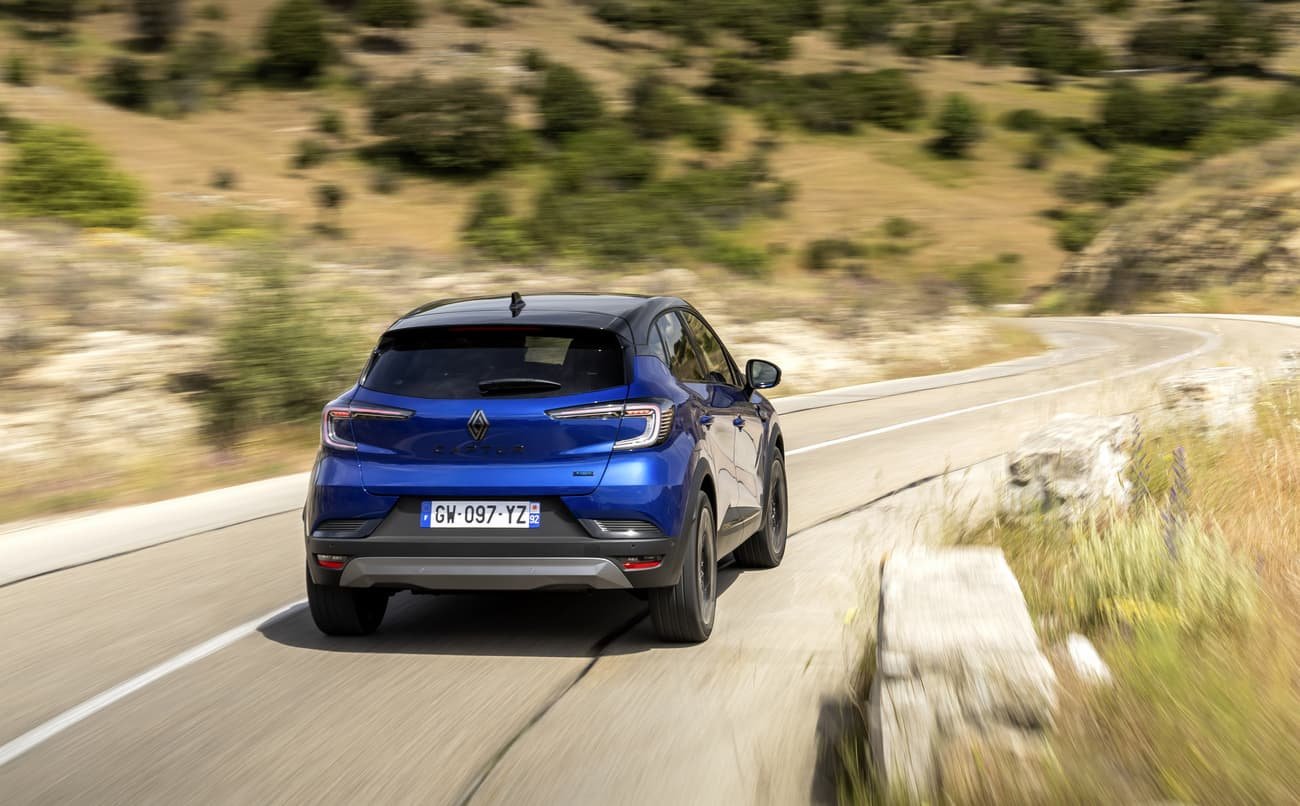
The return of the HR13 engine, co-developed with Mercedes, raises questions. Why does such a popular engine disappear from the French landscape while it returns in other parts of Europe? The answer lies in a complex fiscal situation and well-thought-out market strategies.
The engine that marked its time
The HR13 engine, a 1.3-litre turbo four-cylinder, delighted many Renault vehicle owners for six years before meeting a tragic fate. It was praised for its flexibility and responsiveness, a true delight in a sea of often lacklustre three-cylinder engines. This block was the engine of choice for many urban and mid-range models, but it failed to establish itself in the long term. Its meteoric career almost pales in comparison to cast iron engines, which seem to have a much longer lifespan.
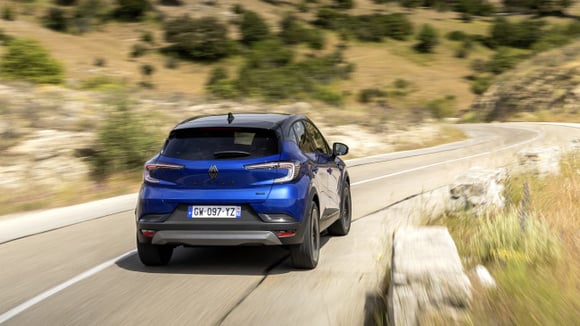
The Renault Captur will not recover the 1.3 turbo in France. © Renault
Strong return, but not in France
While the HR13 seemed destined for an early retirement, the Renault group has decided to revive it, but not on French soil. In fact, this engine will make its grand return abroad, particularly in the Netherlands, where it will be offered in a 140 hp version with mild hybridisation and automatic transmission. This return aims to fill a gap between the entry-level petrol and the 160 hp hybrid available in the Captur. According to Autoweek, this decision is strategic, as it allows Renault to remain competitive without exposing itself to the severe fiscal restrictions weighing on the French market.
Restrictive taxation
So, why not relaunch this engine in the French market? The answer is simple: automotive taxation in France, which is particularly punitive regarding CO2 emissions. Renault, which is not in the best position to meet emission reduction targets in Europe, prefers to play it safe. In fact, the manufacturer must juggle strict regulations, especially given that Dacia, its subsidiary, strongly influences the group’s overall emissions.
LPG in force
In France, Renault has decided to maintain its current offering, which mainly consists of TCe and LPG engines. This strategy aims to promote LPG, which helps reduce CO2 emissions and improve the group’s average at the European level. The manufacturer is betting heavily on this technology to weather the storm of regulations while continuing to develop its electric offering. Additionally, the Symbioz model is expected to be offered soon in an LPG version, thus demonstrating a willingness to diversify that could attract customers.
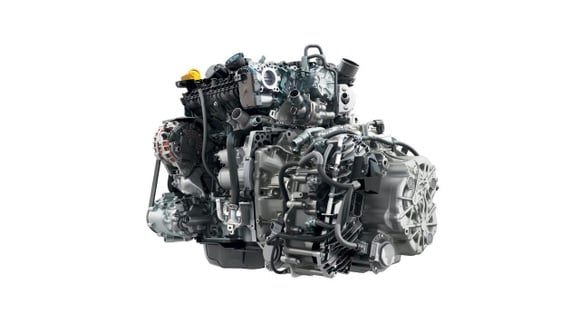
The Renault HR13 engine © Renault
A confusing offer
The dual entry offer with two similar engines in price and features can be confusing. Why choose an LPG engine when a TCe is available? Renault seems to have a clear vision: to guide its customers towards more eco-friendly solutions. However, this may also annoy those who do not want to hear about LPG and prefer a traditional petrol engine. It’s a bit like Renault is saying: “Take it or leave it.”
What to expect for the future?
The decision to relaunch the HR13 abroad and maintain LPG in France reflects a strategic willingness to adapt to market challenges. Renault seems to want to navigate between environmental requirements and consumer expectations. With models like the Captur remaining at the top of sales, the manufacturer must show ingenuity to attract an increasingly environmentally conscious clientele.
In summary, while the HR13 makes its grand return elsewhere, do not expect to see this engine return to France in the short term. The market is evolving, and Renault has decided to bet on a future where LPG will play a central role in its offering. A risky strategy? Perhaps, but in the automotive world, as in life, sometimes you have to take risks to move forward.
In the same topic
Why do Renault and Stellantis have every interest in urgently provisioning tens of millions of euros
04/02/2026
Learn more about the brand
 Renault
chevron_left
chevron_right


