

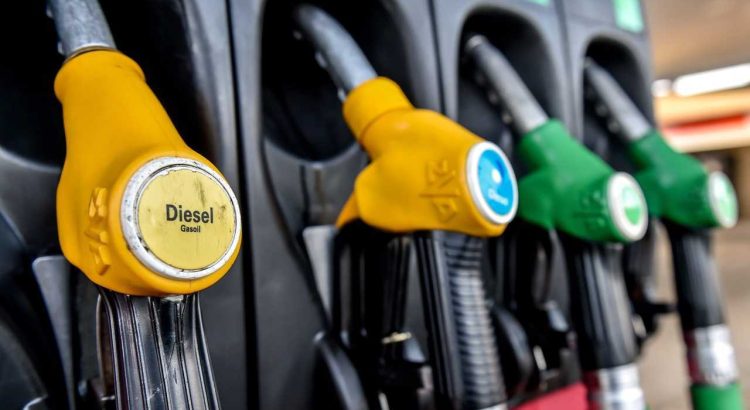
The current conflict in the Middle East raises concerns about a potential surge in fuel prices. As geopolitical tensions escalate, the economic consequences on the oil market could soon be felt, impacting the daily lives of motorists and the wider economy.
A Noticeable Impact on the Oil Market
Since the onset of the conflict between the Israeli-American alliance and Iran, fluctuations in oil prices have become worrying. Last Monday, Brent crude surpassed the $80 mark, a significant increase from the previous week when it was stabilising around $70. This phenomenon echoes the upheavals caused by the Russo-Ukrainian conflict, which had pushed prices beyond $100. It remains to be seen whether the current situation will follow a similar trajectory.
The Strait of Hormuz: A Threatened Chokepoint
The Strait of Hormuz, through which nearly 20% of the world’s oil traffic passes, has become a major strategic concern. Recent missile strikes on oil tankers in the region prompted an immediate response from the International Maritime Organization (IMO), advising shipping companies to avoid the area. Should the passage be completely blocked, the repercussions on the global oil market would be inevitable, exacerbating the rise in pump prices.
OECD Reserves: A Temporary Breather
Currently, OECD member countries have sufficient reserves to cope with a potential shortage. However, this situation could be temporary. Oil facilities in Saudi Arabia have already sustained damage from attacks, and if the conflict intensifies, these reserves could quickly dwindle. In short, motorists may face a significant price increase if the situation persists.
Alarmist Predictions from Experts
Analysts from the Eurasia Group predict that if deliveries through the Strait of Hormuz are interrupted for an extended period, crude oil prices could reach $100 per barrel. This forecast is not to be taken lightly and underscores the fragility of the oil market in the face of geopolitical conflicts. Indeed, price movements could lead to increases at the pump, directly impacting household budgets.
Pump Prices Already on the Rise
In France, fuel prices have already seen a slight increase. The price of Unleaded 98 (E5) stands at €1.848/litre, while Diesel (B7) reaches €1.738/litre. Although some experts believe this rise is linked to pre-existing factors before the conflict, it is undeniable that the current instability could worsen the situation in the coming weeks. For motorists, this means preparing for a higher fuel budget.
A Market in Flux
This situation also highlights the need for players in the automotive sector to adapt swiftly. Manufacturers must consider strategies to respond to the volatility of oil prices. This could include accelerating the transition to electric or hybrid vehicles, which could help consumers shield themselves from rising costs of traditional fuels.
In Summary
- The conflict in the Middle East could trigger a surge in oil prices.
- The Strait of Hormuz is a critical chokepoint whose security is compromised.
- OECD reserves are sufficient for now, but fragile.
- Experts predict a possible increase in the price of crude to $100.
- Pump prices in France are already rising and may continue to increase.
In conclusion, the current situation raises crucial issues for motorists and the automotive industry. If the conflict persists, we could witness a reevaluation of purchasing behaviours and consumer priorities. Alternatives such as electric vehicles will gain popularity, while traditional market players will need to redouble their efforts to adapt to this new economic reality.


